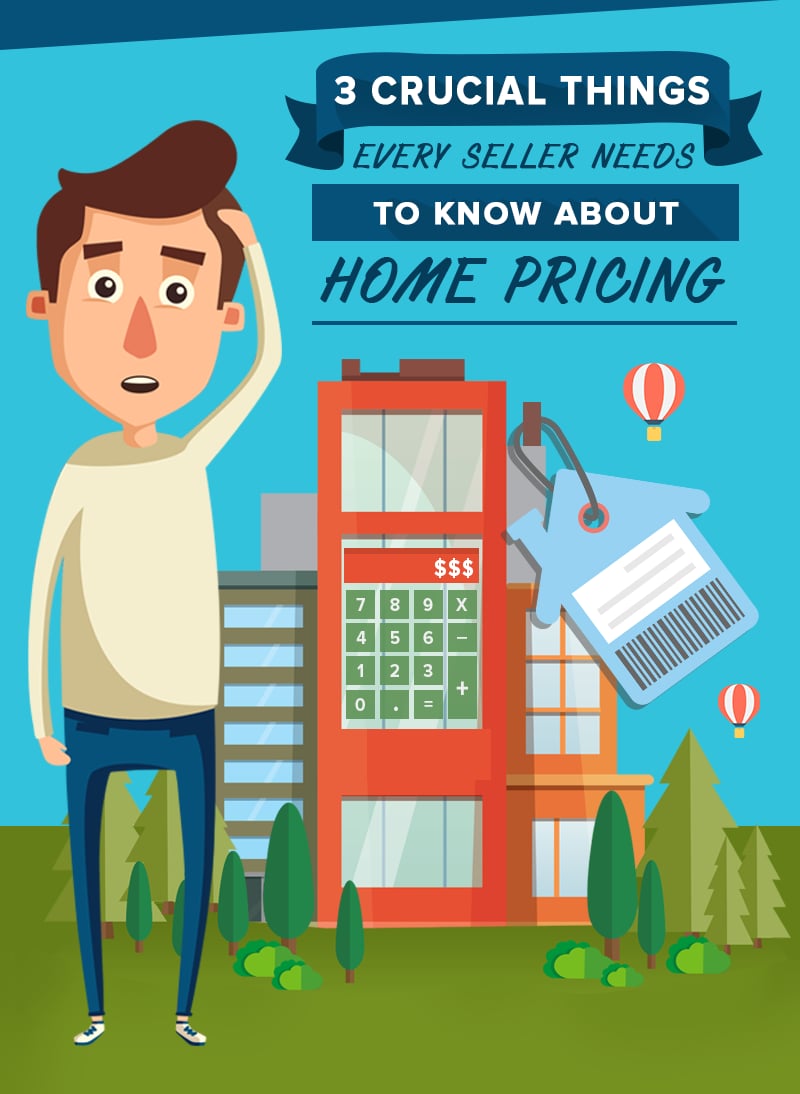
3 Crucial Things Every Seller Needs To Know About Home Pricing
Seller February 11, 2018
Seller February 11, 2018

1. Overpricing and underpricing
Perhaps the most common mistake home sellers make is pricing the house too high because of an array of reasons: the house means so much to them, they're looking to buy a more expensive home or trying to pay off debt, or they believe that interested buyers will ask for a discount anyway.
But this can't be farther from the truth. In fact, a ridiculously overpriced house will perform poorly in the market because it will soon lose its appeal once it stays in the market for more than three weeks.
In pricing your home, it’s important to be as realistic and as conservative as possible. Seek out an experienced real estate agent and allow him or her to guide you in choosing the correct price of your house for sale. Don’t worry if you think the suggested price is a little low; homes that are priced below market value often receive numerous offers, which will then encourage a bidding war and drive up the price.
Keep in mind, though, that a house that is priced too low also has its dangers. Don’t assume that this strategy will work for you 100 percent since a lot of low-priced houses were purposely priced that way to drive activity. These homes are usually in great locations and at their best conditions. If your home isn’t exactly the best catch and isn’t located in a sought-after neighborhood, then you’ll have to be very careful in pricing your house too low as well. Again, it is best to seek the help of a professional appraiser and real estate agent.

2. Analyzing the competition
Reasonable home prices are set when a seller performs an accurate comparison of homes in the market.
Comparable sales, better known as “comps,” is a term that refers to homes that are similar to yours in terms of size, condition, and features, and are located in the same area. When setting a price for your home, appraisers will look at recently listed comps in the same neighborhood, and by recent, this means not older than three months. Unless your property is in a rural or very low-density area, you and your appraiser may have to check homes that are outside the usual mile radius.
Still, an experienced appraiser knows that not all homes with the same number and sizes of bedrooms, bathrooms, and kitchens will have the same price. Houses on the same street can vary immensely from each other, and it's important to understand the nuances in the market and know how they can affect the price of your home.
For example, a house that is right down your street could actually be in a different school or tax district, which can either make it cheaper or more expensive than yours depending on which area is more desirable. A house that is the same size as yours that was listed at 10 percent more than your selling price could be because of specific features that address a particular need of the buyer. Modern additions such as “green updates” that allow homeowners to save on electricity can also affect the value of a house for sale. Remember, to “compare apples to apples,” you must dig deep into the reason why a particular house is priced as it is.

3. Hiring a real estate agent and appraiser
It might be a little difficult to decide on a selling price without bias, especially if this is the first time you'll be selling a house which you’ve spent a good amount of time calling your “home.”
While it is ultimately up to you (the seller) to set the final price, a good real estate and appraiser will help you arrive at a suitable price range based on their expert assessments.
While there are no price restrictions in place that require you to price according to the market condition or current inventory levels, it will be to your benefit to discuss matters with your real estate agent and appraiser so that you can be sure to arrive at an informed decision. These professionals know that pricing is mainly about supply and demand, and that it is an art as much as it is a science. To find the perfect balance between important factors, it is crucial to seek advice from a expert who is experienced in dealing with all kinds of transactions.
Still, it is important to note that realtors and appraisers are not exactly the same. Realtors aren't entirely unbiased since their main objective is to sell, while appraisers are state-credentialed valuation professionals who are required to follow a strict process in order to come up with an impartial opinion.

So how do you know if you priced your home just right?
Even if you follow all the important guidelines mentioned above, it may still be hard to know for sure if you arrived at the right price until all transactions have been completed.
If a home sells after just a few days on the market, chances are the price was too low. If it takes months before a potential buyer takes interest, then it's probably overpriced. The best way to know whether the price is right is if your home gets steady action throughout the course of the listing period.
If your house is listed at the right price, be prepared for numerous negotiations and be sure that both you and your agent are always on the same page. If you hit the right mark, the rewards will surely be lucrative and your house will sell at its optimal price.

Understand the pros and cons of interest-only mortgages to determine if this financing strategy is the right fit for your home buying goals.

In Houston, the question is often not “Should I wait?” It is “What is waiting likely to cost me, and is that tradeoff actually worth it?”

The right strategy depends on your finances, your comfort level, and how competitive the market is in the area where you are buying and selling.

Discover why your driveway is a critical component of your home's curb appeal and how simple updates can boost your property's market value.

Discover why outdoor living spaces are a top priority for luxury home buyers in Houston and how they can transform your property's appeal.
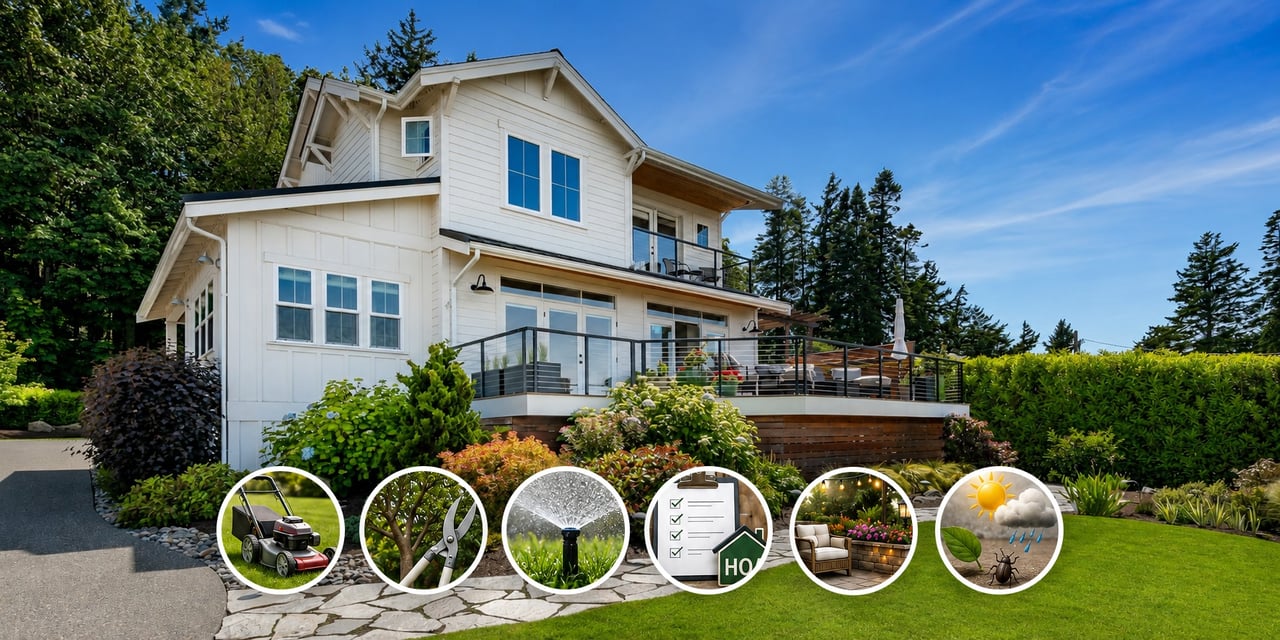
Don't let landscaping costs surprise you. Learn the essential maintenance expenses every home buyer should factor into their budget.
Learn the real reasons homes sit on the market and what sellers can do to attract buyers and sell faster in 2026.

Homeowner
Selecting the ideal paint color can easily transform any space, creating a mood and style that reflects your personality and the room's purpose.

Deciding between repairs and selling as-is? Learn how to maximize your home's value and protect your peace of mind before listing in Houston.
Real estate can feel overwhelming, but you don’t have to navigate it alone. Our team is here to bring clarity to the process, advocate for your goals, and guide you every step of the way.

KRAASE PROPERTY GROUP
1220 AUGUSTA DR HOUSTON, TX 77057