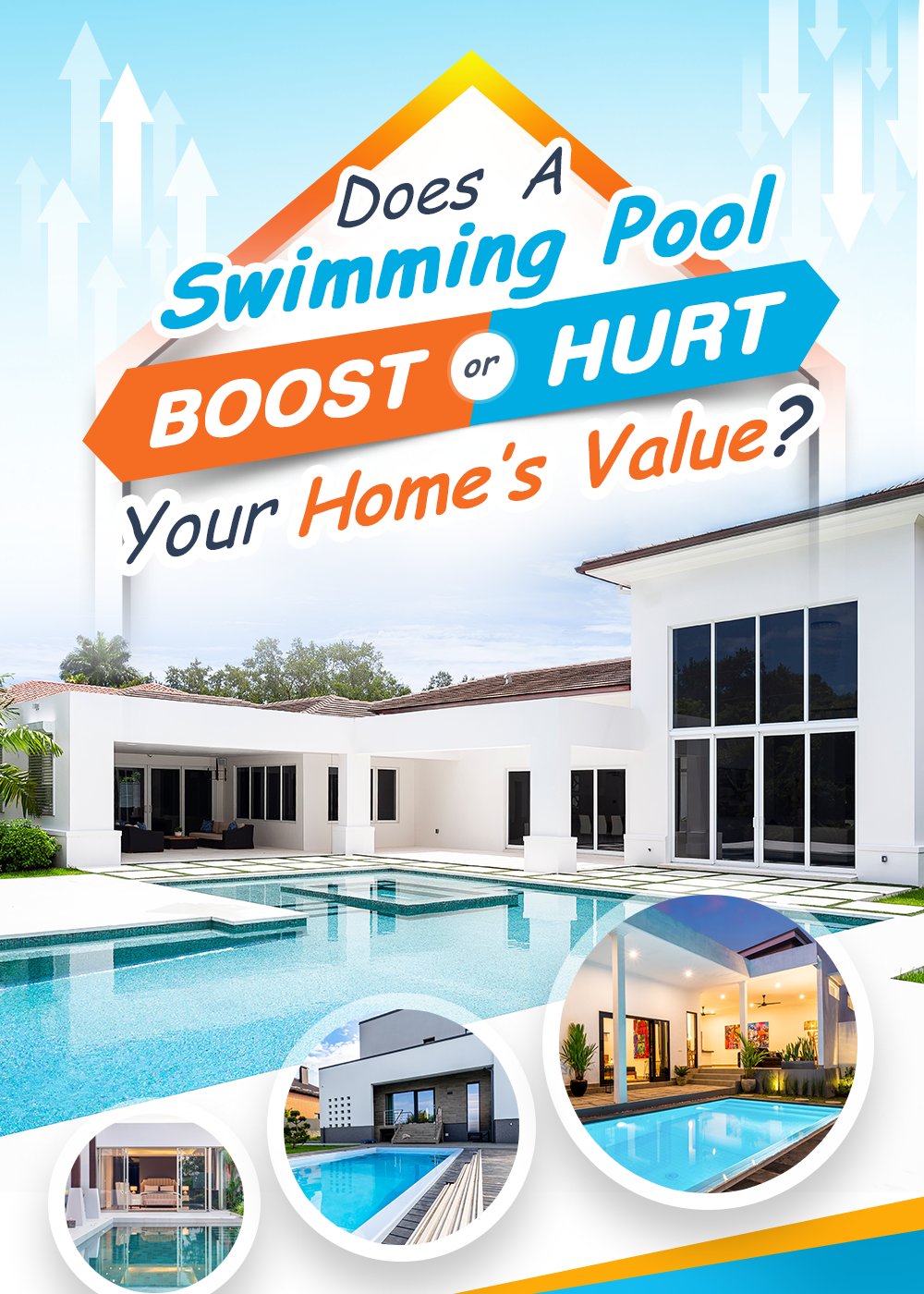
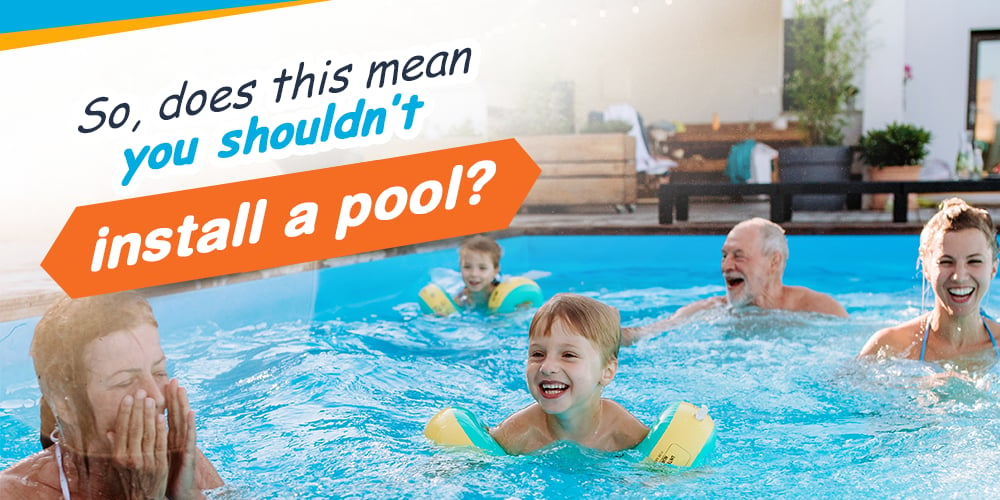
There's nothing more satisfying than lounging around the pool in your own home on a sweltering day, with a cocktail or a book in hand. The kids, meanwhile, are busy practicing their dives or just lolling about on pool floats. 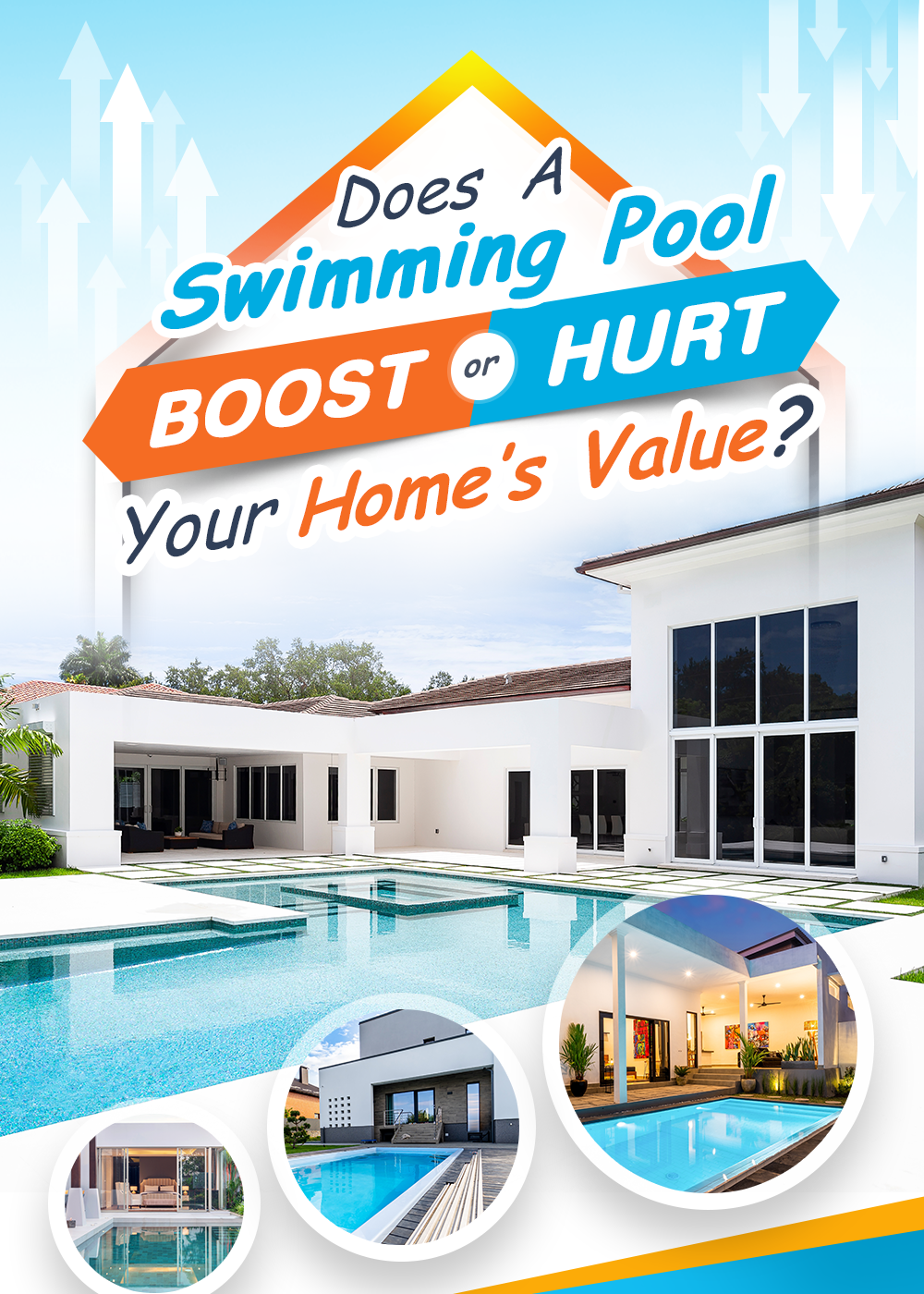 Having a pool has always been seen as an upscale bonus. But the naked truth is, some consider it necessary, while others view it as a deal-breaker. If you're a homeowner who’s thinking about adding an in-ground pool and wonders whether it’s a wise investment and if it adds value to your property, continue reading to dive into the details.  According to the National Association of REALTORS® Remodeling Impact Report: Outdoor Features for 2023, homeowners who add in-ground pools to their properties can expect to recoup about 56% return on their investment. At most, your home's value might increase by 7% when it comes time to sell, according to HouseLogic. Still, that all depends on a variety of factors. Here are some of those circumstances: - If you live in a higher-end neighborhood and most of the homes have pools - In fact, not having a pool might make your home harder to sell.
- If you live in states with warm climates - In the Sun Belt region, pools are commonplace and can be an attractive feature for potential buyers. Having a pool might be an expectation for your property, and the absence of one can affect your home’s value. But if you live in areas where the climate is generally cold and pools can be used only for a few months, having one is a perk but not a necessity. Buyers may pause and weigh carefully whether it’s worth the hassle.
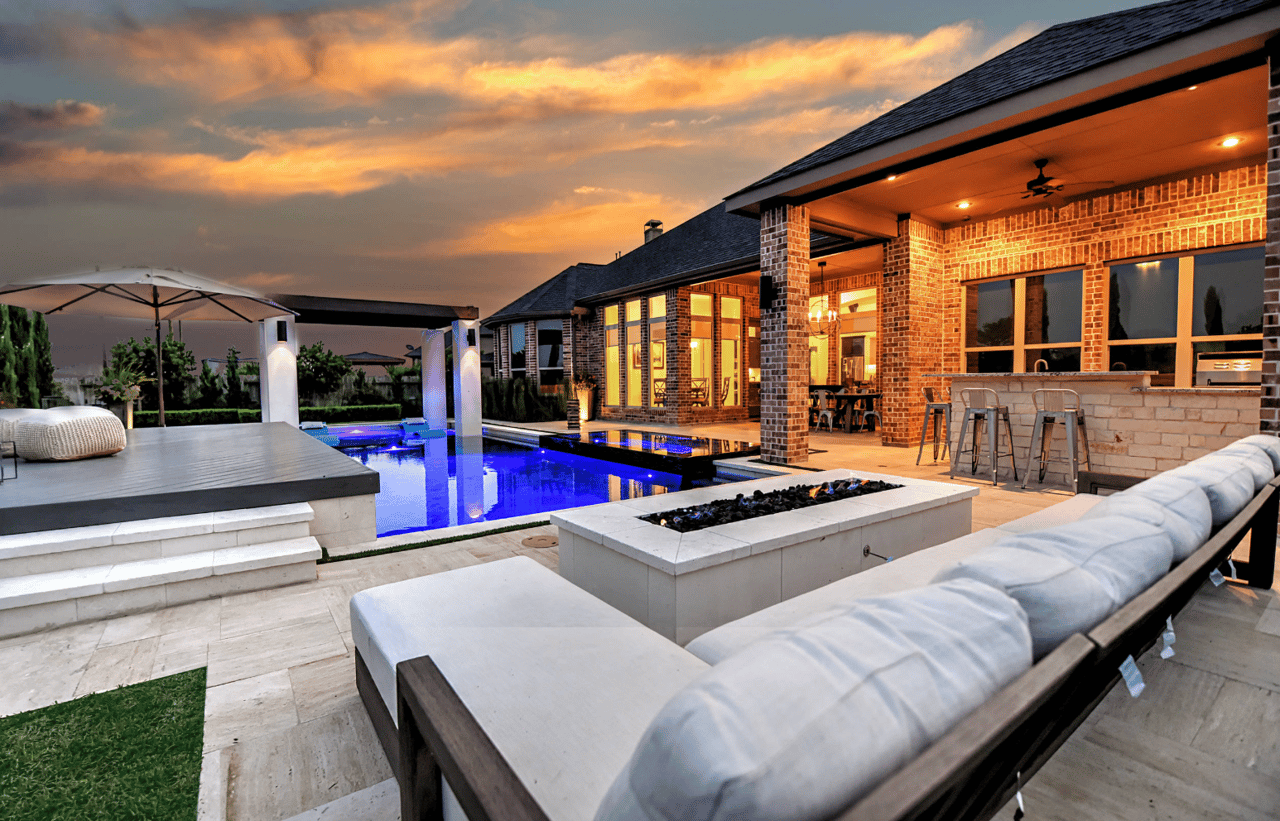
- If the pool is well-maintained and nicely designed - The condition and style of the pool are also crucial when it comes to fetching more value. A pool that’s been well-maintained, and has adjacent amenities, such as patios, shade structures, and outdoor furniture that make the surrounding area attractive, can boost your home’s value. If you're selling, ensuring that the landscaping around the pool complements the pool in both style and design can be a huge advantage. On the contrary, a pool that’s been neglected and in need of repair can be an eyesore. - If your property is large enough to accommodate a pool - It also won’t add much value if the pool has been shoehorned into a small yard without having enough space for a garden and play area.  According to the report, landscape professionals estimated the cost of building an in-ground pool at $90,000. The said price is based on an 18-foot-by-36-foot in-ground pool with gunite (mix of sand, water, and cement) walls; three-foot to seven-foot depth; and a standard filtration system. As per HomeGuide, an inground pool costs $80 to $250 per square foot with installation or $25,000 to $100,000 total, depending on the size and material. Not to mention, custom upgrades or additions, such as lights, a slide or diving board, a heater, and landscaping, will cost extra. Most states also require the installation of safety features, such as fences, enclosures, and covers, to help keep pets and children safe around the water and prevent accidents. Pool fencing alone, for instance, can cost from $5,000 – $15,000.  Regardless of the type and design of your swimming pool, it will require sanitation to control bacteria and germs. The water also needs to be balanced for proper pH, alkalinity, and calcium levels. Here are just some of the monthly and yearly costs associated with having a swimming pool that can influence its value. - Pool maintenance - Experts say this could cost anywhere from $80 to $150 a month on average, depending on the services. Some of the tasks include cleaning and vacuuming the surface, water testing, adjusting chemicals, opening or closing for the season, and any necessary repairs. If you're in a warm climate and use your pool throughout most of the year, expect to have more upkeep.
- Filtration - Better to get the most efficient filtration pump possible that uses less energy, although it may cost more upfront. You can further cut energy costs by setting the pump to run at non-peak times when rates for electricity are lower.
- Heating and electricity costs - If you’re planning to heat your pool, you may choose between gas heaters or electric heat pumps, which cost $2,000 to $5,000. Moreover, electricity costs for running a circulating pool pump costs about $300 per year. Heating a pool can also add $500 to $800 to your annual utility bills.
- Winterizing - In areas with cold climates, pools need to be winterized every year. This includes lowering water levels, cleaning, clearing the water lines, and installing a cover.  A basic homeowners insurance policy typically covers a pool structure without requiring a separate rider. But if you plan to install a pool on your property, consider checking with your insurance agent about how a pool may affect your rates and increase your liability coverage. In addition, if you don't install a pool fence, insurers may exclude your pool from coverage and deny your liability claim if there's an accident in your pool. In some areas, adding a swimming pool may also increase your annual property taxes but might not necessarily add to your home’s selling price.  There's no one but you, the homeowner, who can determine the true return on investment of a luxury item such as a swimming pool. It’s up to you to decide if it adds value to your quality of life by making it a place for rest, relaxation, and special life moments. The NAR Remodeling Impact Report showed that adding a pool gave homeowners a “joy score” of 10 on a scale of 1 to 10, indicating that it had a significant impact on a homeowner’s sense of enjoyment and accomplishment after the project was completed. Further, at least 90% of respondents reported having an increased sense of enjoyment when they are at home after the in-ground pool addition. It may be hard to put a price tag on that. At the end of the day, this is your home. If you plan to put down some roots, you have the money to spend, and you’ve taken into consideration the pros and cons of installing a pool, then go ahead, plunge into it, and enjoy the swim.