
Does This Neighborhood Flood? A Homebuyer’s Guide to Houston Flood Risk
February 28, 2026
February 28, 2026
Worried about flooding in Houston? Learn how to check a neighborhood’s flood history, understand flood zones, review FEMA maps, and evaluate flood risk before buying a home.
It’s one of the first questions every Houston buyer asks, and for good reason. After Hurricane Harvey, flood awareness became an essential part of choosing the right home. Whether you’re moving from out of state or upgrading within the city, understanding flood risk helps you make a confident, informed decision.
Below is a simple, practical guide to evaluating whether a neighborhood or specific home has a history of flooding.
Before you research a specific address, it helps to understand the broader pattern.
Some areas of Houston are known for better drainage, elevation, or infrastructure, including:
At the same time, some areas near bayous require closer evaluation. Flood risk is block by block in Houston, not neighborhood by neighborhood, so the next steps matter.
Every property falls into one of several FEMA zones. The most common are:
How to check:
Enter the property address on the official FEMA Flood Map Service Center. This gives you a first pass at understanding risk.
A home can be in a low-risk zone and still have flooded or be in a higher-risk zone and never experience water.
This is why flood history matters.
Ask for:
You can also check the Harris County Flood Education Mapping Tool, which shows past inundation levels during major storms.
Even within the same neighborhood, micro-features affect risk:
Your agent should help you walk through these details during showings, especially when comparing homes that are structurally similar.
Areas like Bridgeland, Towne Lake, and other engineered neighborhoods in Cypress were built with modern drainage design, detention lakes, and elevation planning.
Many performed extremely well during past major storms because they were designed after Houston’s most significant flood events.
This is why new construction and engineered communities have become popular with relocation buyers.
Buying in a higher flood zone does not automatically mean unsafe; it simply means higher statistical risk.
In fact, homes outside mandatory zones filed a significant portion of Harvey claims.
A smart approach is to:
Flood insurance can be relatively affordable in Zone X, often just a few hundred dollars per year.
Flood evaluation in Houston isn’t guesswork; it’s a system.
An expert agent will help you:
This is where local insight becomes a major advantage.
Not at all.
Flooding is a manageable risk when you understand:
Thousands of families safely and confidently buy in Houston every year, including in neighborhoods that performed exceptionally well during major storms.
The key is clarity, not fear.
If you’re exploring Houston neighborhoods and want a block-by-block understanding of flood performance, I can walk you through everything you need to know.
Let’s talk through your goals and help you find the right fit safely and confidently.
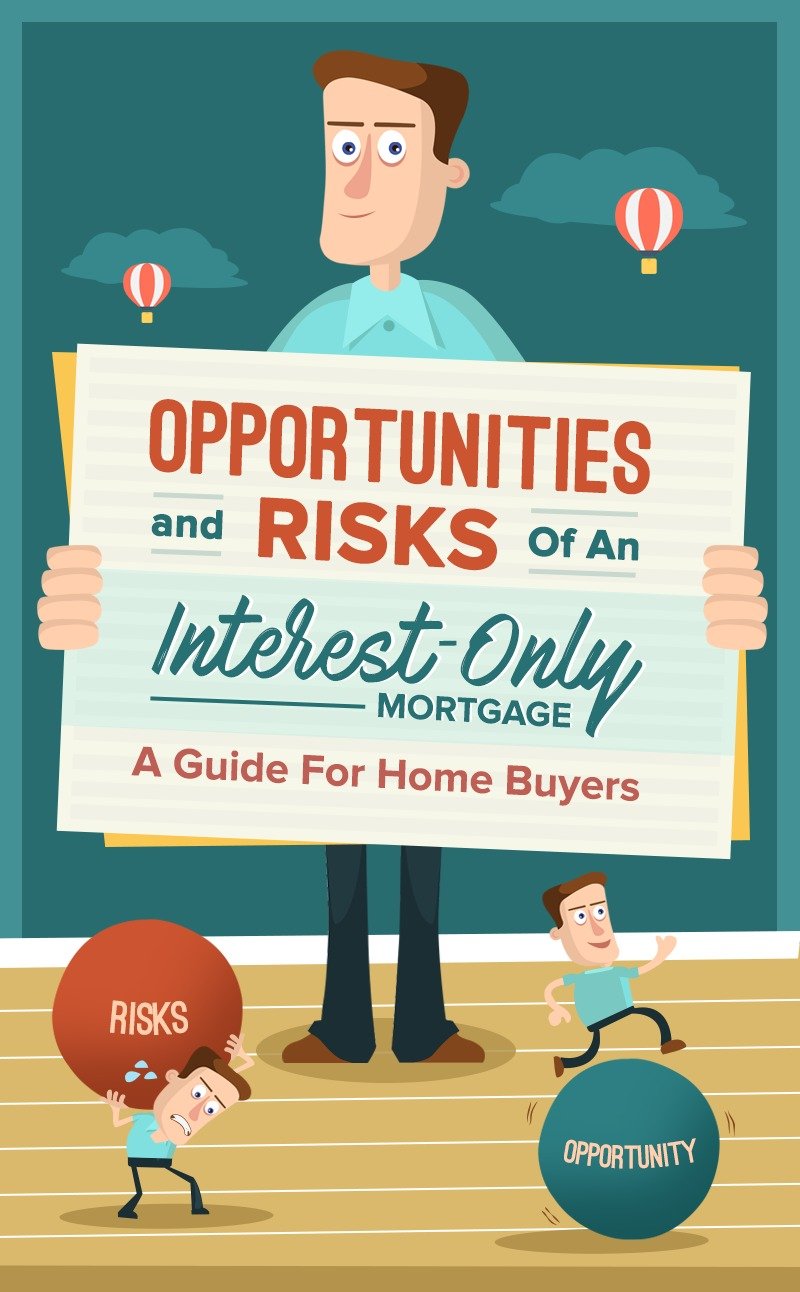
Understand the pros and cons of interest-only mortgages to determine if this financing strategy is the right fit for your home buying goals.

In Houston, the question is often not “Should I wait?” It is “What is waiting likely to cost me, and is that tradeoff actually worth it?”

The right strategy depends on your finances, your comfort level, and how competitive the market is in the area where you are buying and selling.
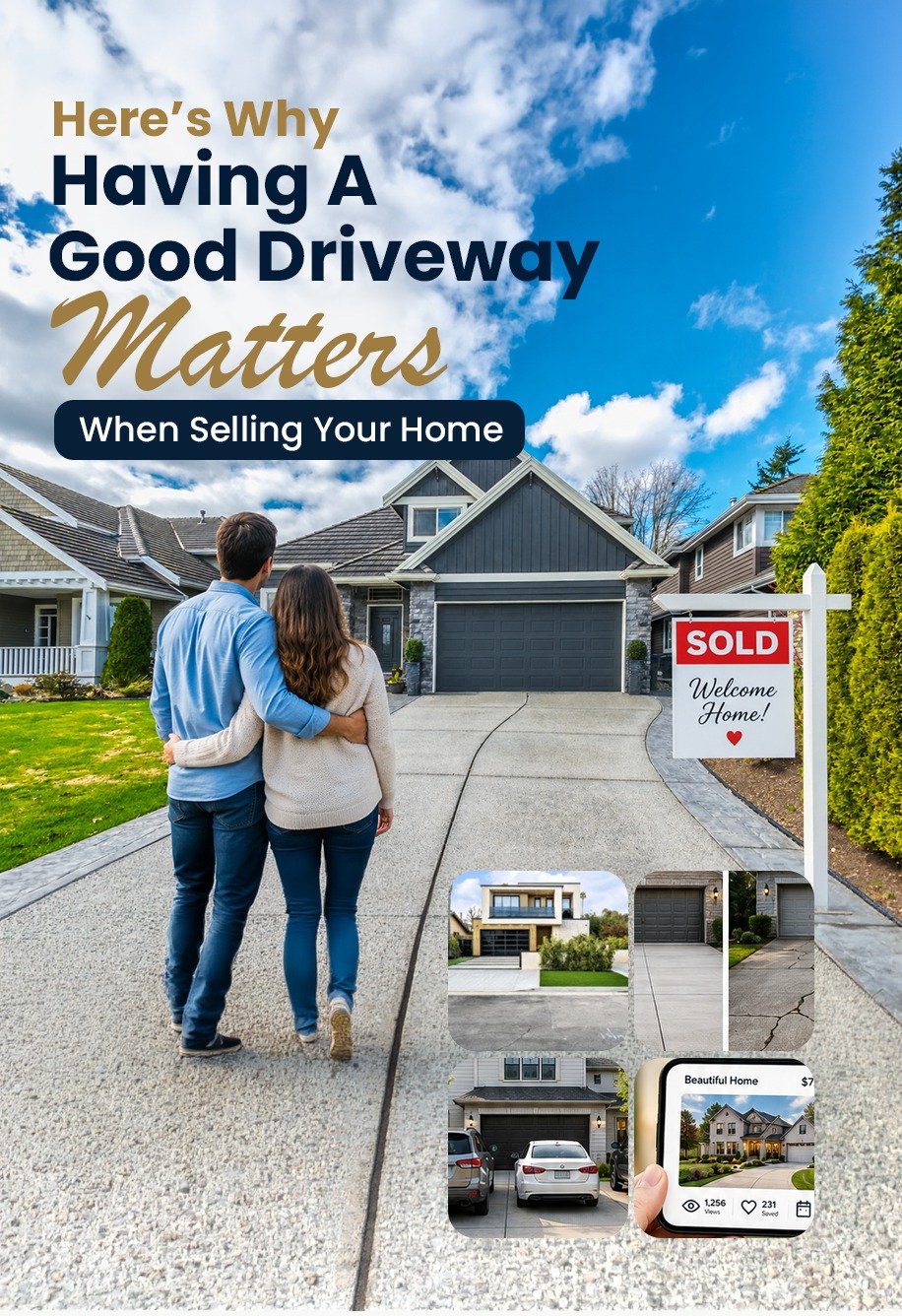
Discover why your driveway is a critical component of your home's curb appeal and how simple updates can boost your property's market value.

Discover why outdoor living spaces are a top priority for luxury home buyers in Houston and how they can transform your property's appeal.
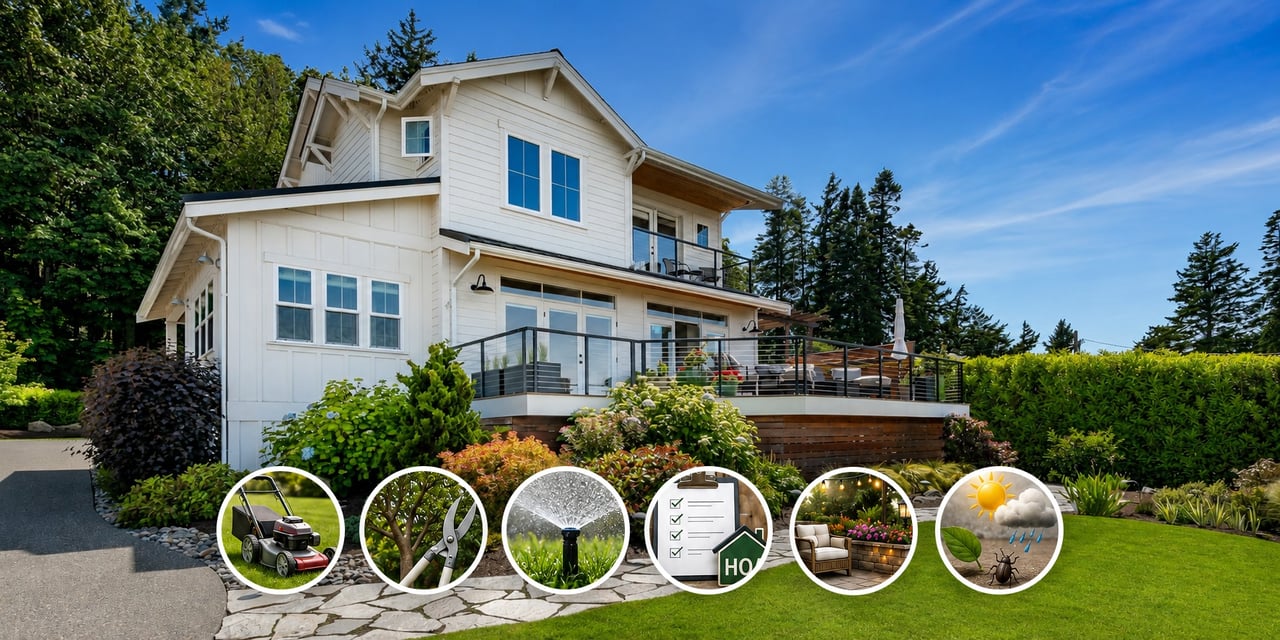
Don't let landscaping costs surprise you. Learn the essential maintenance expenses every home buyer should factor into their budget.

Learn the real reasons homes sit on the market and what sellers can do to attract buyers and sell faster in 2026.

Homeowner
Selecting the ideal paint color can easily transform any space, creating a mood and style that reflects your personality and the room's purpose.

Deciding between repairs and selling as-is? Learn how to maximize your home's value and protect your peace of mind before listing in Houston.
Real estate can feel overwhelming, but you don’t have to navigate it alone. Our team is here to bring clarity to the process, advocate for your goals, and guide you every step of the way.

KRAASE PROPERTY GROUP
1220 AUGUSTA DR HOUSTON, TX 77057