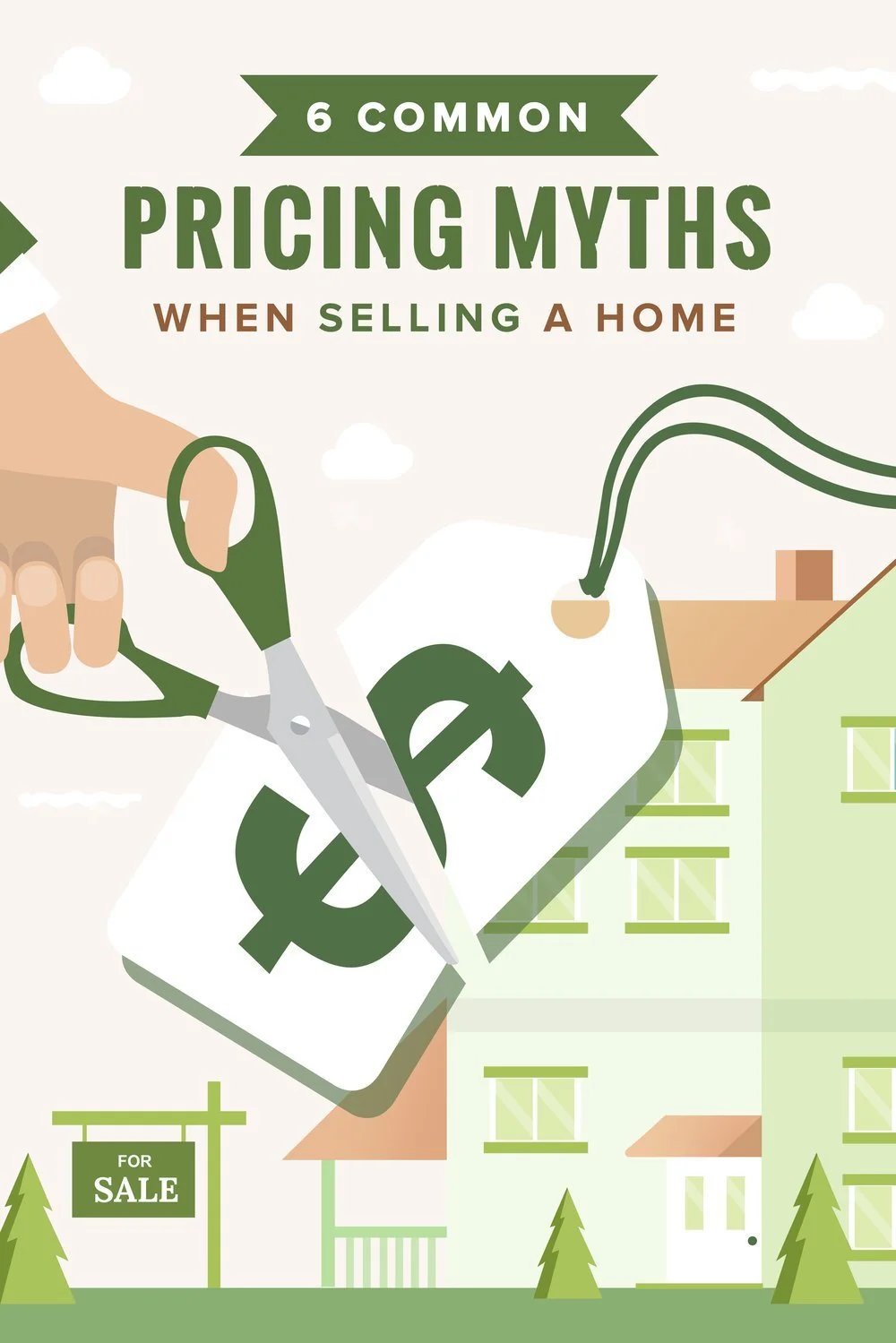
Stop Believing These 6 Common Pricing Myths When You Sell Your Home
September 5, 2019
September 5, 2019
Setting an asking price for your home will never be a walk in the park. But coming up with an accurate number can give you the biggest advantage. It can mean the difference between quickly getting an offer and risking your home to sit on the market for months, losing the interest of many potential buyers.
So if you want to get the most out of your home sale, disregard these most common myths about pricing a home and start your journey with some realistic expectations!

Many sellers think that getting a quick offer is an indication that they priced their house too low. They are contemplating whether they should have asked for more money or feeling that their realtor “gave their home away” because it was sold too quickly.
But here's the reality: getting an offer (or offers!) in the first few days most likely means your home was priced accurately and competitively, which attracted multiple buyers. Your home has the right price on the right market that’s why you received multiple offers even in a short amount of time.

After receiving an offer from the first showing, sellers may be hesitant to accept it, wondering if other potential buyers would be keen to cough up more money for their beloved home. This is another common assumption among many sellers: if they're willing to wait long enough, a better offer will come. The thoughts of potential bidding wars could prompt them to be in a “no rush mode” when it comes to selling their home.
However, that’s not how real estate works most of the time. The longer your home stays on the market, the worse the offers could get. Or maybe you’d get none at all. This is because homes sell for the most money when they are on the market for less than 30 days. According to the NAR 2018 Profile of Home Buyers and Sellers, recently sold homes were on the market for a median of three weeks. When a home has taken so long to sell, buyers will start to wonder what is wrong with it. They may assume that it was priced too high, or that there are issues with the property itself.

Be wary of using any home value estimate tools you find online. The numbers they give can be inaccurate since they have not assessed your home physically and haven't taken into consideration any of its special features and the prices of the surrounding properties. Many home estimates go above or under the home’s real market value. Keep in mind to always trust your realtor over your home’s estimates.

Every seller's goal is to get top dollar for their home. However, overpricing your home, thinking that you could accept a lower offer later on, will never be a good strategy. The worst is it could just leave you empty-handed, especially when buyers start to wonder what’s wrong with your property. Trying to price it too high, thinking that it will create a lot of negotiating room, will get you nowhere. Instead, buyers and their agents will steer clear from your property and will choose a listing that has a reasonable price.
Your realtor knows that negotiation is very important in real estate, so trust their experience in this matter. They will price your home appropriately from the beginning but will make sure there’s enough wiggle room so you can still get what you want out of the sale.

You may have remodeled your kitchen, added a master bedroom, or replaced your garage door. But don't think that the money you spent making these renovations will be recouped once you sell. Don’t set your expectations too high just because the potential new owners will be enjoying all the hard work you put into your property. Keep in mind that while some changes might see some return on investment, you won’t recoup the whole amount. Likewise, there are renovations that can give you profit, and there are those that can even hurt your home sale.
To get an idea of which upgrades yield the biggest return on investment, check out the 2018 ‘Cost Versus Value’ report by Remodeling Magazine. For instance, you can expect to get back only 56% of the costs of an upscale bathroom remodel. Meanwhile, the projects with the biggest return include a garage door and entry door replacement.

Real estate agents are being paid a percentage of the selling price of the home. However, this commission will still be divided up between his or her broker and the buyer's agent, leaving the agent with less money in his or her pocket. Even with weeks or months of showings and marketing expenses, no agent would want to lose a potential sale just for the sake of a few hundred dollars. Trust your realtor because they’re the one who knows the market well, and the price given to your home was based on extensive market research.

Understand the pros and cons of interest-only mortgages to determine if this financing strategy is the right fit for your home buying goals.
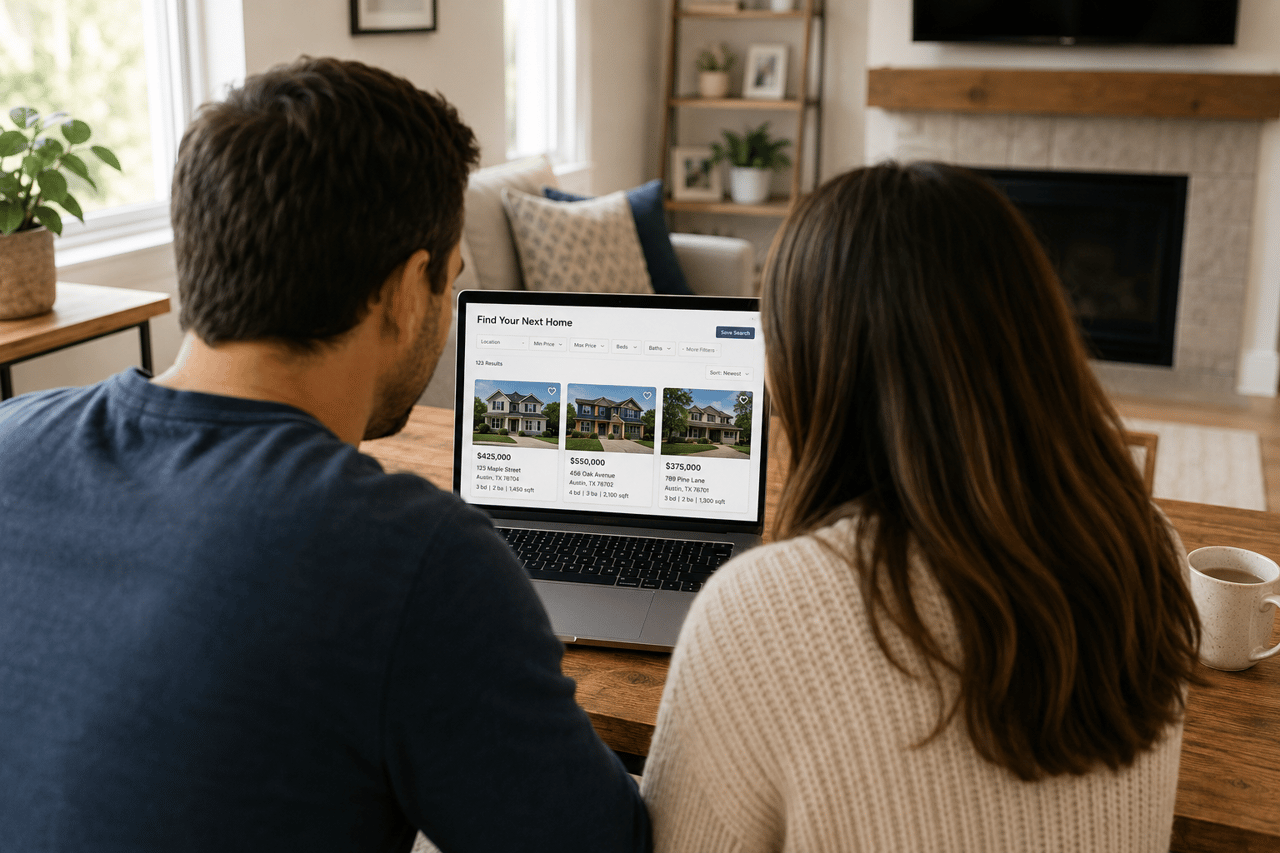
In Houston, the question is often not “Should I wait?” It is “What is waiting likely to cost me, and is that tradeoff actually worth it?”
The right strategy depends on your finances, your comfort level, and how competitive the market is in the area where you are buying and selling.
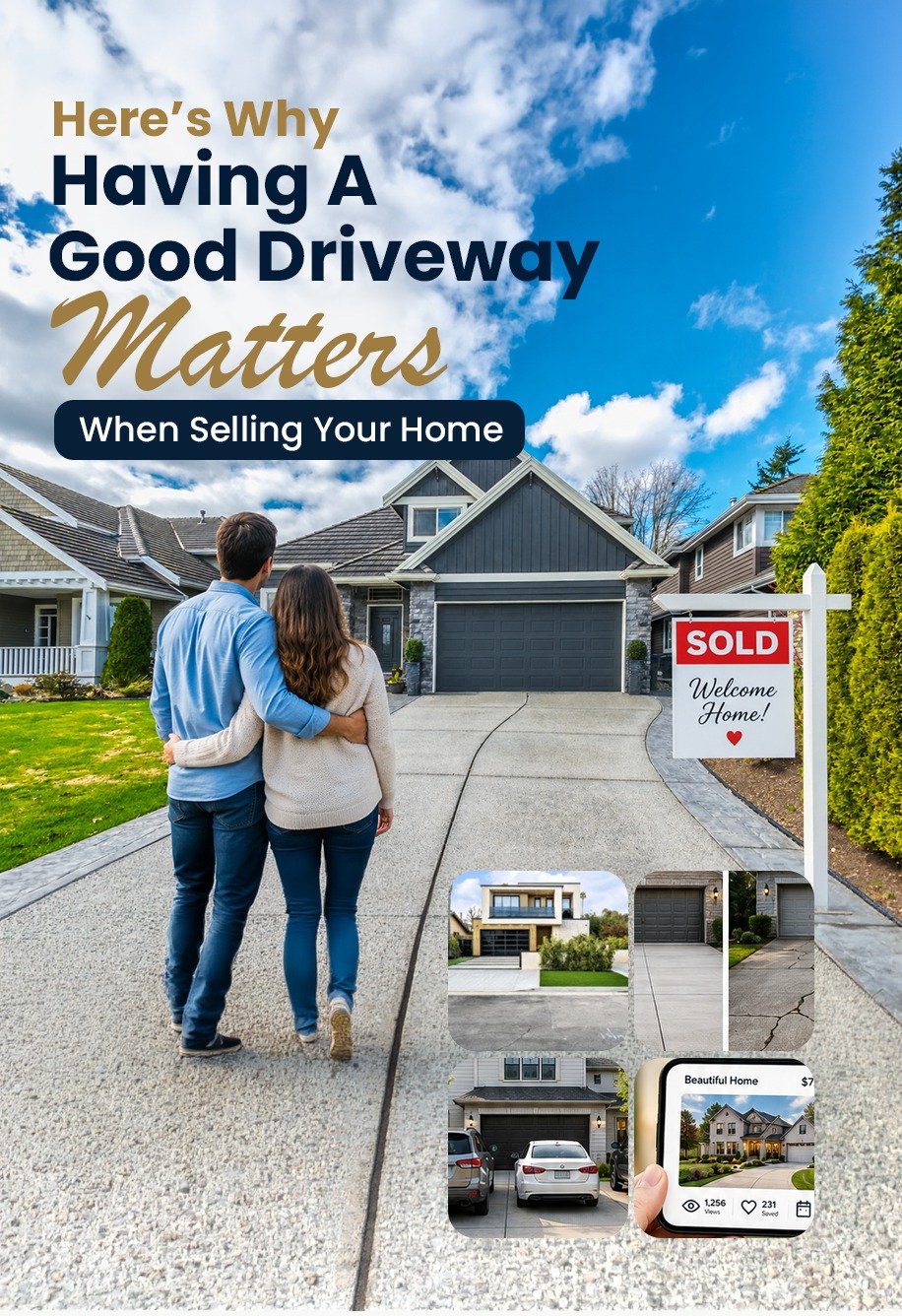
Discover why your driveway is a critical component of your home's curb appeal and how simple updates can boost your property's market value.

Discover why outdoor living spaces are a top priority for luxury home buyers in Houston and how they can transform your property's appeal.
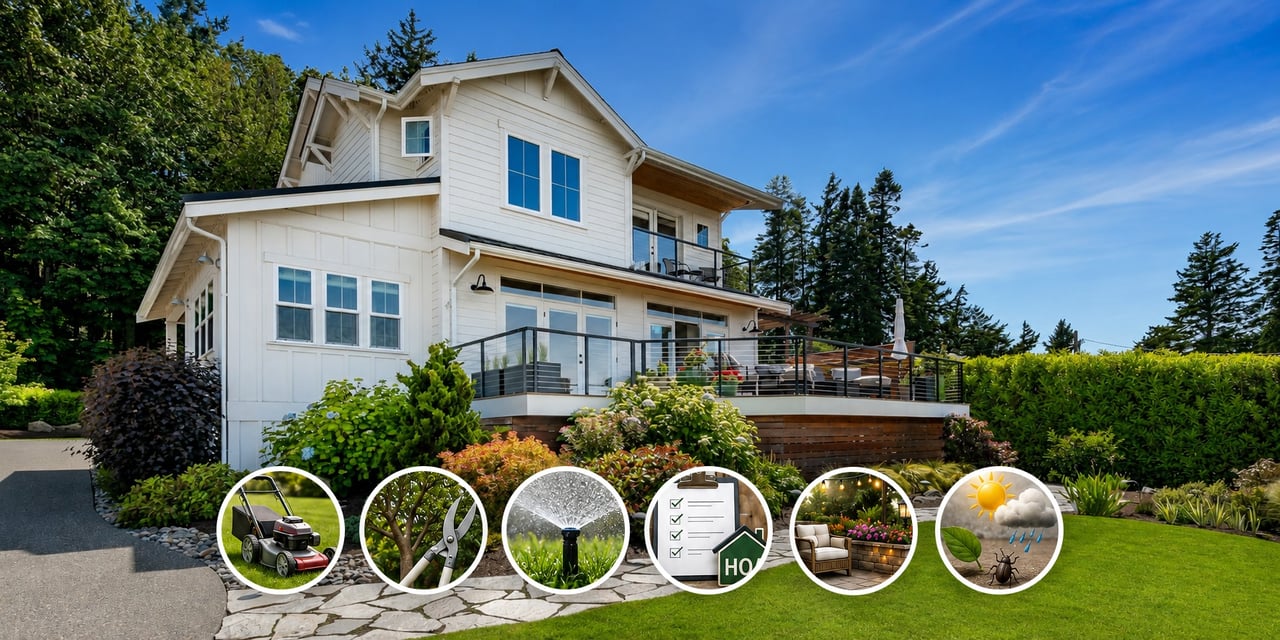
Don't let landscaping costs surprise you. Learn the essential maintenance expenses every home buyer should factor into their budget.
Learn the real reasons homes sit on the market and what sellers can do to attract buyers and sell faster in 2026.

Homeowner
Selecting the ideal paint color can easily transform any space, creating a mood and style that reflects your personality and the room's purpose.

Deciding between repairs and selling as-is? Learn how to maximize your home's value and protect your peace of mind before listing in Houston.
Real estate can feel overwhelming, but you don’t have to navigate it alone. Our team is here to bring clarity to the process, advocate for your goals, and guide you every step of the way.
KRAASE PROPERTY GROUP
1220 AUGUSTA DR HOUSTON, TX 77057