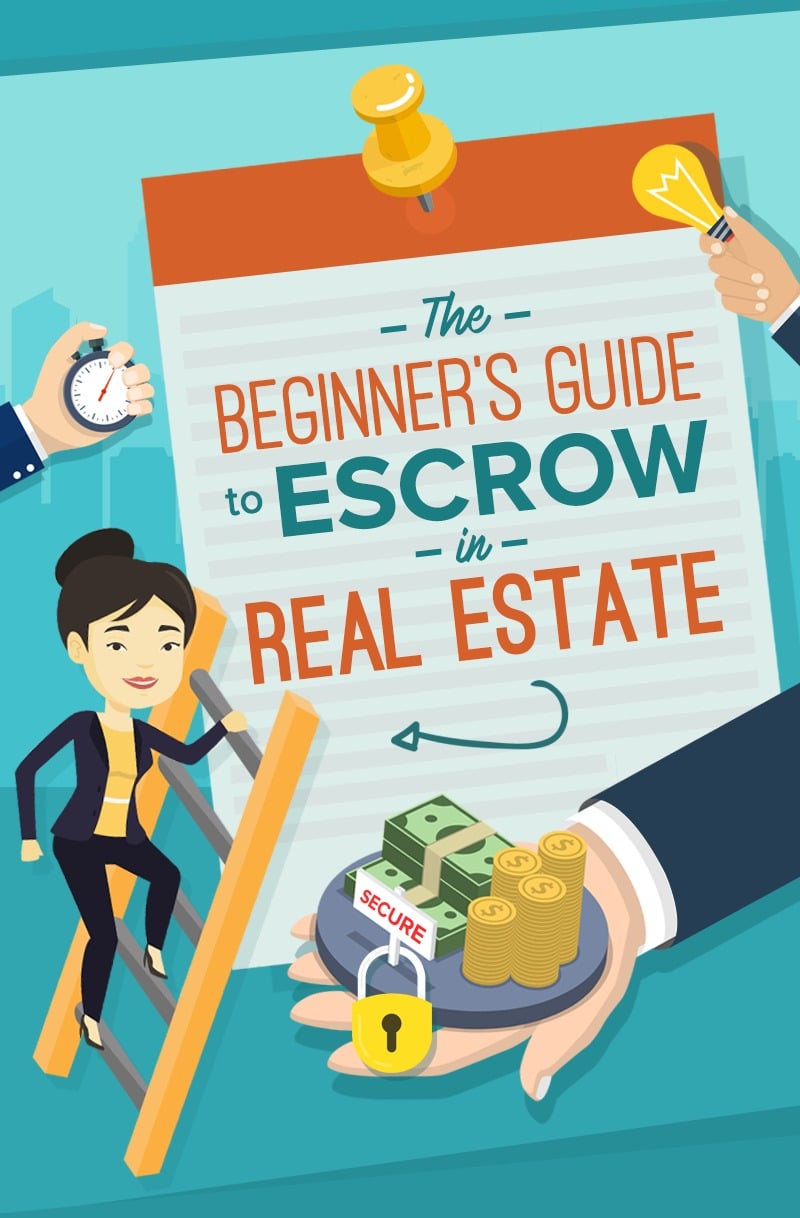
The Beginner's Guide To Escrow in Real Estate
February 16, 2024
February 16, 2024
At some point in a real estate transaction, you will encounter the word “escrow.” If you're the buyer and you make an offer on a home you like, you’ll provide an earnest money deposit in the form of a check that will be placed in this escrow. But what does it really mean?
That earnest money deposit will not go directly to the seller but will be held by a neutral third party, which is escrow. It’s like a secure holding area that will hold important items—such as money and documents—until the deal is officially closed. Escrow handles the transfer of the buyer's loan documents and property taxes. The escrow officer works closely with a buyer's lender and real estate agent to make sure the title of the home is clear of liens before the transfer of ownership.
Escrow officially opens when signed agreements are given to an escrow officer, who will help ensure that the conditions of the contract and any escrow instructions are satisfied. Escrow closes when all conditions have been met and the property ownership is transferred to the buyer.
As mentioned, the earnest money deposit provided by the buyer will go to the escrow instead of the seller. This is because if the seller holds the deposit, he/she could use it as a hostage during the negotiation. By putting it in escrow, it serves as a safeguard to both parties just in case the deal falls through and they can't reach a final purchase and sale agreement. The earnest money check is payable to the escrow holder, who can either refund the money; apply it to the purchase price; or pass on the forfeited funds to the seller just in case the buyer fails to meet important requirements.
Escrow officer - An escrow officer or closer (in other states) will be responsible for processing the documents and funds that allow people to buy and sell homes. In other states, it could be a licensed attorney who will handle the escrow, but they often work with a title company representative to do some of the processing. The escrow officer acts as an objective party who transfers money and paperwork between all the people involved in a real estate transaction.
Buyer, Seller, Lender - These parties can give instructions to be signed and delivered to the escrow officer to close the transaction.
Real estate agent - When a real estate professional is involved in the transaction, he/she will typically provide the escrow officer with all the information necessary to create the escrow instructions and documents.
Note: While the real estate agent may recommend a particular escrow holder, the buyer and seller still have the right to choose and use an escrow holder whom they feel will best suit their needs in the transaction.
The escrow officer is responsible for these tasks (but not limited to):
No matter how bad and confusing it sounds, escrow only guarantees that all parties—especially the buyer and seller—will be kept safe and secure as they move forward and complete the real estate transaction.

Understand the pros and cons of interest-only mortgages to determine if this financing strategy is the right fit for your home buying goals.

In Houston, the question is often not “Should I wait?” It is “What is waiting likely to cost me, and is that tradeoff actually worth it?”

The right strategy depends on your finances, your comfort level, and how competitive the market is in the area where you are buying and selling.

Discover why your driveway is a critical component of your home's curb appeal and how simple updates can boost your property's market value.

Discover why outdoor living spaces are a top priority for luxury home buyers in Houston and how they can transform your property's appeal.
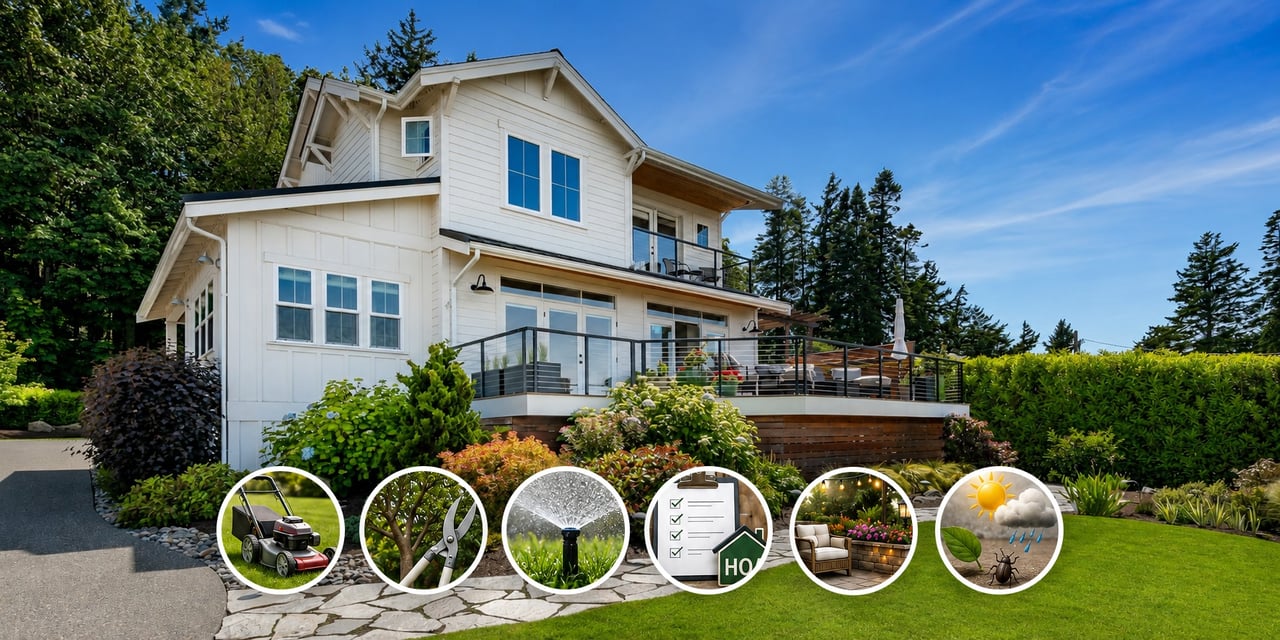
Don't let landscaping costs surprise you. Learn the essential maintenance expenses every home buyer should factor into their budget.

Learn the real reasons homes sit on the market and what sellers can do to attract buyers and sell faster in 2026.

Homeowner
Selecting the ideal paint color can easily transform any space, creating a mood and style that reflects your personality and the room's purpose.
Deciding between repairs and selling as-is? Learn how to maximize your home's value and protect your peace of mind before listing in Houston.
Real estate can feel overwhelming, but you don’t have to navigate it alone. Our team is here to bring clarity to the process, advocate for your goals, and guide you every step of the way.

KRAASE PROPERTY GROUP
1220 AUGUSTA DR HOUSTON, TX 77057