
The First-Time Home Buyer's Guide To Earnest Money Deposits
February 15, 2024
February 15, 2024
Congratulations, you're about to purchase your first home! We’re guessing you’ve already gone through the mortgage pre-approval phase, and now it’s time to do the exciting part: house hunting! While you can shop with confidence because of the pre-approval letter provided by your lender, you should also be aware of the importance of having enough cash for an earnest money deposit.
When you decide to make an offer on a home, both you and the seller enter into an agreement that makes the sale contingent upon certain factors such as appraisal and inspection. The terms are stipulated in a contract, and the seller takes his or her property off the market while you perform due diligence on the home.
But before all of this can take place, you need to show the seller that you are truly capable and serious about purchasing the home. How? By making your money talk. This money, which is called an earnest money deposit, is a sizeable amount that buyers include in the offer as proof of their sincerity or earnestness—if you will.
Practice caution. Make sure that the purchase agreement specifies how a refund should be handled in case the deal falls through.
Make sure to offer enough, especially in a hot market. A seller dealing with multiple offers will entertain only the strongest offers. Make yours stand out by offering a competitive amount. If a high EMD intimidates you, think of it as a way of paying your down payment upfront, since the deposit ends up being part of your DP anyway.
Be 100% certain about the home you're trying to buy. You risk losing your EMD if you back out of the deal without justifiable reason other than simply having a “change of heart.” Be absolutely serious about wanting the house before making an offer that includes a sizeable EMD.
Have the necessary contingencies in place. In a highly aggressive market, buyers are often pressured into removing contract contingencies. You may think that since you've already been pre-approved for a mortgage, deleting the loan contingency wouldn’t be an issue--but this is a mistake. Lenders can revoke a pre-approval based on a number of reasons, such as the house being appraised too low (which means that the buyer is paying more than what the house is actually worth). When this happens and there is no loan contingency in place, your EMD may be forfeited.
Keep track of important timelines. Know how much time you have left to terminate the contract in case you run into problems. To be on the safe side, anticipate the issues that may arise, and include the necessary contingencies in your purchase contract.
If you're buying a foreclosure, be sure to analyze the risks involved. Most foreclosed properties stipulate that the EMD is nonrefundable—and since you’re buying the property “as-is,” it is crucial to be extra thorough on your research before making an offer with EMD.
Hold up your end of the bargain. This is a no-brainer, but make sure that you're not backing out of the sale due to unfair reasons. If you default on the contract at the last minute because of cold feet, or you’re dealing with personal problems that are getting in the way of pushing through with the sale, be responsible enough to accept giving up your EMD as consolation for the seller’s wasted time.

Understand the pros and cons of interest-only mortgages to determine if this financing strategy is the right fit for your home buying goals.

In Houston, the question is often not “Should I wait?” It is “What is waiting likely to cost me, and is that tradeoff actually worth it?”

The right strategy depends on your finances, your comfort level, and how competitive the market is in the area where you are buying and selling.

Discover why your driveway is a critical component of your home's curb appeal and how simple updates can boost your property's market value.

Discover why outdoor living spaces are a top priority for luxury home buyers in Houston and how they can transform your property's appeal.
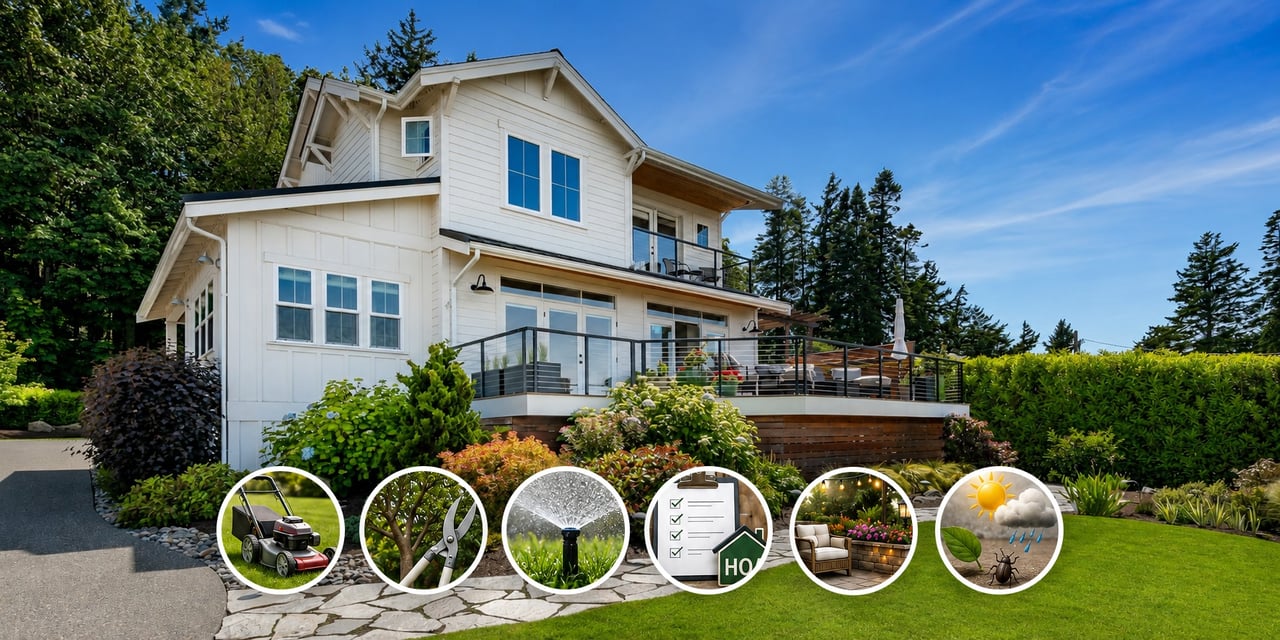
Don't let landscaping costs surprise you. Learn the essential maintenance expenses every home buyer should factor into their budget.
Learn the real reasons homes sit on the market and what sellers can do to attract buyers and sell faster in 2026.

Homeowner
Selecting the ideal paint color can easily transform any space, creating a mood and style that reflects your personality and the room's purpose.
Deciding between repairs and selling as-is? Learn how to maximize your home's value and protect your peace of mind before listing in Houston.
Real estate can feel overwhelming, but you don’t have to navigate it alone. Our team is here to bring clarity to the process, advocate for your goals, and guide you every step of the way.
KRAASE PROPERTY GROUP
1220 AUGUSTA DR HOUSTON, TX 77057