The Pros And Cons of Purchasing A Rural Property
October 30, 2019
October 30, 2019
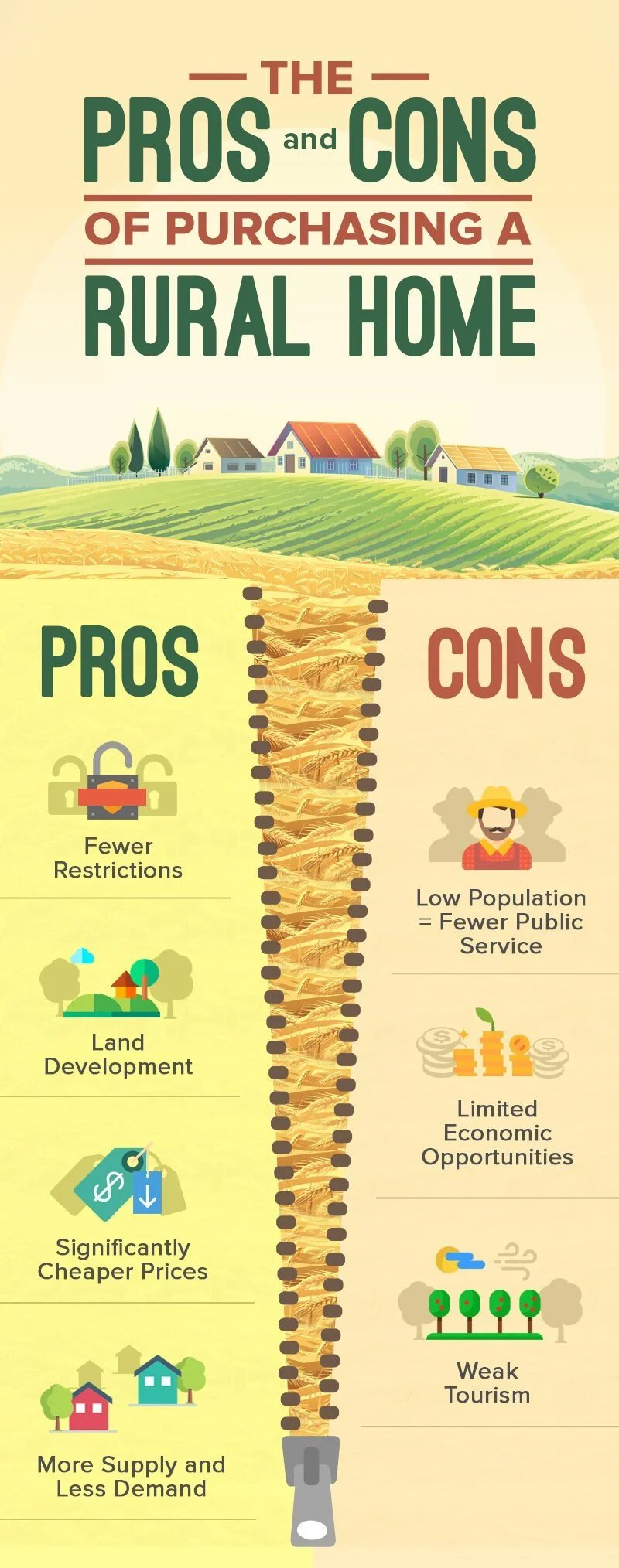
Just like with any real estate purchase, buying a rural home has its pros and cons. If you intend to purchase a rural home for investment, you have to consider that, depending on the location of your land, the following setbacks are possible:
Due to the lower number of people moving to rural areas, the variety and quality of public services may not be the same as those in the big cities. Adjusting to the level of public service available within the rural area needs preparation and proper expectation-setting.
Rural properties should be considered as long-term investments given the smaller economy and market in the area. A rural homeowner usually waits for a long time to sell or lend the property since there's not a lot of business opportunities.
Unlike metropolitan properties, listing a rural home as an Airbnb investment has its disadvantages in terms of average monthly rental due to the low number of rural area visitors. Because of its long distance from urban cities, fewer amenities and services, and the lack of tourist attractions, an investor might find it challenging to purchase a rural property for rental investment alone.
In addition, these are the things that should be checked when purchasing rural properties that are not noticeable or applicable to public properties:
Since the vendors may not be required to disclose this information as part of the sale always check with your real estate broker if it is legally possible to have these items reviewed before making a bid on the property.
Despite the number of things to check before even considering to view a listed rural property, potential investors remain enthusiastic due to the wide range of options available--from lake houses to farmhouses, and mountain cottages not just the typical countryside ranches.
Metropolitan real estate promises higher expected return and demand, but rural properties entice a significant number of investors that are looking to pay fewer taxes, spend less cash, and purchase more properties. Given the list of risks in buying rural property, what are the advantages of investing outside of the city? After careful assessment of the presented risks, let's discuss the benefits of buying a rural property.
Compared to property development restrictions in big cities, restrictions on rural properties tend to be less than those in urban areas. This gives rural property owners more options in terms of extending their land for development. It also gives them the freedom to list their properties without having to deal with strict house listing regulations compared to big cities like New York or Los Angeles.
Rural areas allow investors to purchase multiple properties and give them more opportunities to expand. Strategically, buying a rural property as a long-term plan could increase land value. It would also be profitable to sell should the investor decide not to pursue the land.
A rural property investor would pay an average price of almost half the cost of the same size of an urban property--making it possible to purchase multiple properties at once that would fit an allocated budget. The next item heavily influences low prices on this list is the lack of competition, which causes prices to go low.
The number of rural properties has been increasing, but the lack of demand from investors causes minimal competition in the market. It's best to check for a feature that has a good access road so you could have the rural life without having to worry about driving back to the city every once in a while.
Rural homes present opportunities that can't be found in urban cities, but it is essential to avoid common pitfalls--like failing to do your homework about the listed property before making a bid, and other forms of due diligence that may potentially derail your first rural property investment. Know the risks, check all potential setbacks, review your numbers, and set your expectations should you choose to live in the rural areas with your newly purchased property.

Understand the pros and cons of interest-only mortgages to determine if this financing strategy is the right fit for your home buying goals.
In Houston, the question is often not “Should I wait?” It is “What is waiting likely to cost me, and is that tradeoff actually worth it?”
The right strategy depends on your finances, your comfort level, and how competitive the market is in the area where you are buying and selling.

Discover why your driveway is a critical component of your home's curb appeal and how simple updates can boost your property's market value.

Discover why outdoor living spaces are a top priority for luxury home buyers in Houston and how they can transform your property's appeal.
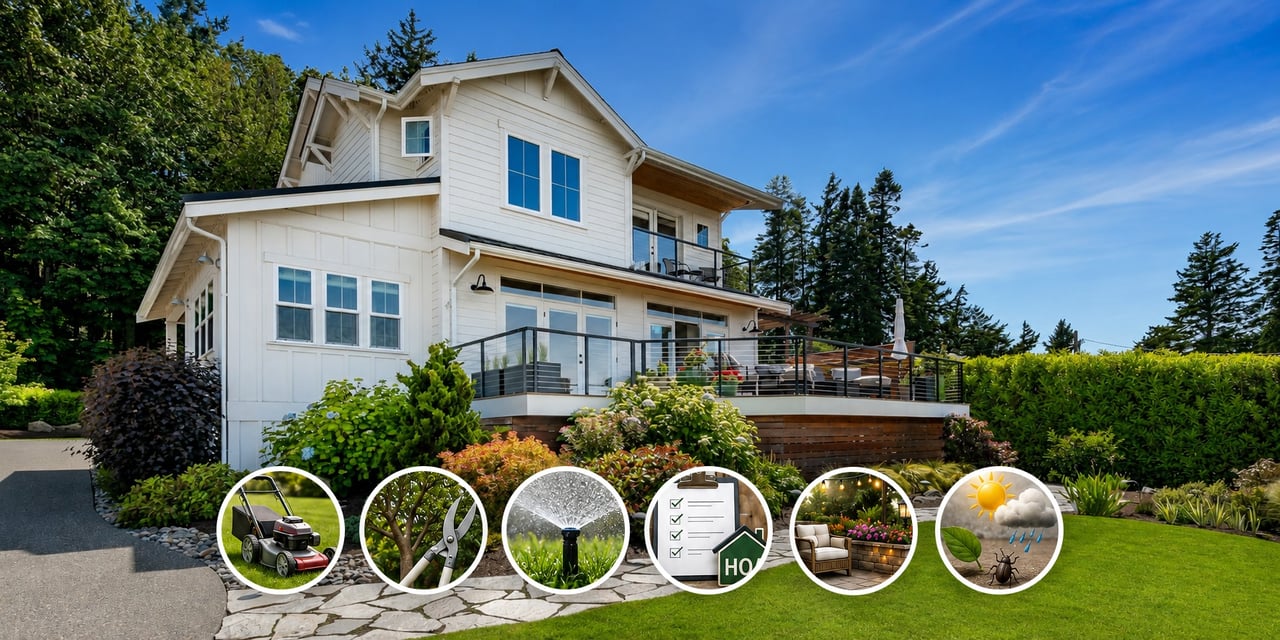
Don't let landscaping costs surprise you. Learn the essential maintenance expenses every home buyer should factor into their budget.
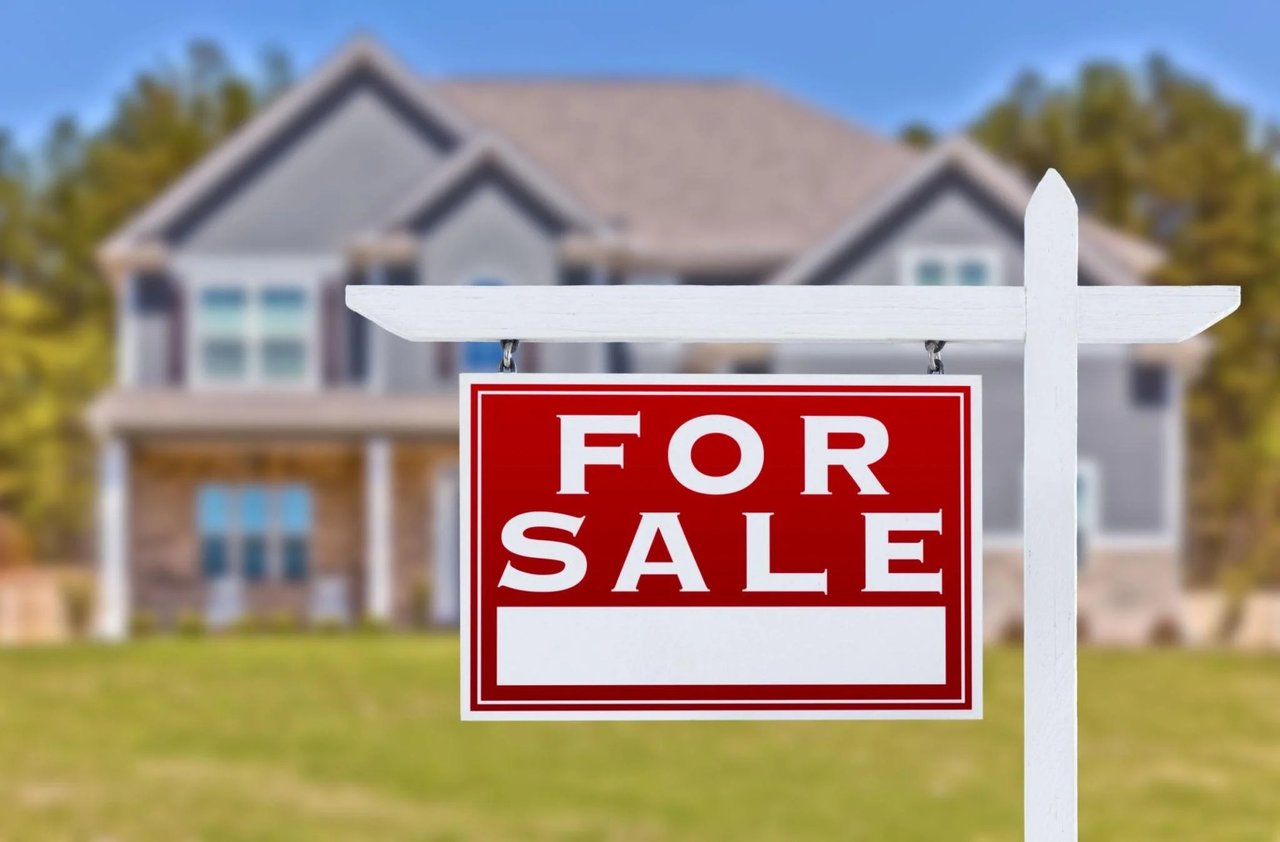
Learn the real reasons homes sit on the market and what sellers can do to attract buyers and sell faster in 2026.

Homeowner
Selecting the ideal paint color can easily transform any space, creating a mood and style that reflects your personality and the room's purpose.

Deciding between repairs and selling as-is? Learn how to maximize your home's value and protect your peace of mind before listing in Houston.
Real estate can feel overwhelming, but you don’t have to navigate it alone. Our team is here to bring clarity to the process, advocate for your goals, and guide you every step of the way.
KRAASE PROPERTY GROUP
1220 AUGUSTA DR HOUSTON, TX 77057