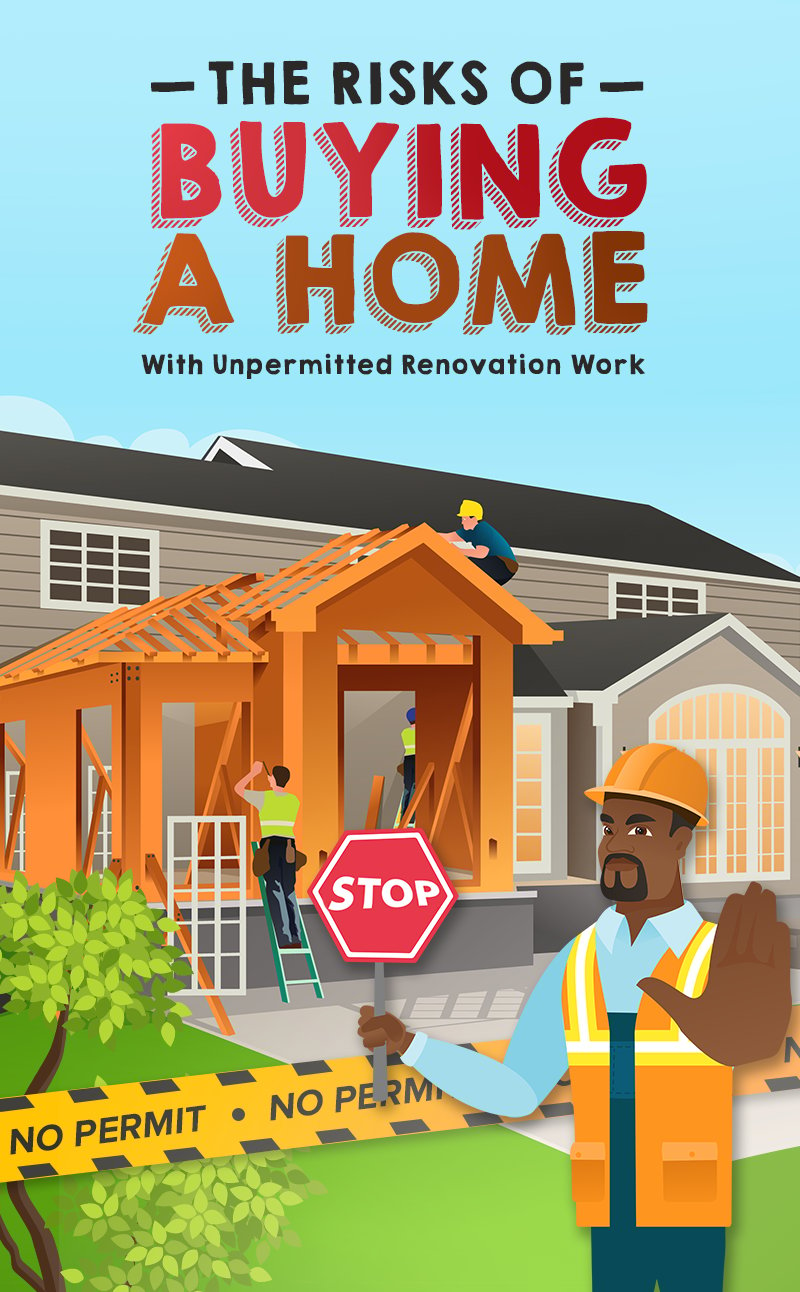
The Risks of Buying A Home With Unpermitted Renovation Work
April 12, 2021
April 12, 2021
To save yourself from any trouble as early as you can in the process, we've laid out the risks associated with buying a home with work done without a permit, and how you can protect yourself as a buyer. Your potential home might be your biggest financial investment, after all.

Unpermitted work is a term that applies to any modifications or construction on a home that does not carry the necessary permits to make it legal. Building codes and permit requirements vary with every city or town, so what might require a permit in one place may not in another.
When buying a home, you can check on the property disclosure statement provided by the seller and see the list of things the current owners have done to the property during ownership, including any work done without a permit.
You can also call or visit the local building department for more information and see if the owners pulled permits. In some municipalities, the status of permits can also be checked online. Many HOAs or homeowners associations often like to have permits on file as well, so you can try asking them to see permit records on the property you're looking at.
Getting permits for any home improvement that requires it is vital, especially if it involves any electrical, plumbing, or structural work. And yet, many homeowners forgo the permitting process for various reasons, such as:

If the city inspectors in your area discover that your home has unpermitted renovations, you become liable in obtaining a retroactive permit on the already completed projects. The cost associated with retroactive permitting will depend on the scope and value of the construction.
And since the cat will also be out of the bag, you may also be responsible for paying back taxes on the increased value of the home. You could also be on the hook for associated interest and penalties.

You've fallen in love with a home that has a finished basement, only to discover that it was unpermitted work. In some towns, it is entirely possible for them to ask you to remove the entire project. In others, they might simply require you to tear down and rebuild portions of the remodelled work based on their feedback.
When fixing the issue, it might be best to hire a contractor to examine the existing work. They can estimate the cost of bringing it up to code, and also give you an idea of how much is already built in accordance with current codes.

Worst-case scenario: the home addition done without a permit included faulty electrical work, which caused a minor fire after you've already purchased the home. Your homeowners insurance company may refuse to cover the damages from that fire when they discover it was caused by unpermitted work.
The same goes if something happens in a non-permitted part of your home. If someone falls and gets hurt in an unpermitted deck, or a tree falls on any unpermitted renovation, the insurance company may deny the claim. Trying to collect your insurance policy could also see you going through a complicated lawsuit.

The last thing you want to do as a home buyer is to take the matter of pulling out permits or paying fees into your own hands, especially if you can avoid it. Make sure you work with a local and experienced buyer's agent who can guide you through the home buying process, especially on the impact of unpermitted remodelling works. They can also help you account for it when creating an offer. He or she can also help you put language on the purchase agreement before signing where the seller will be held accountable (which will be discussed further).
Make sure you don’t forgo the home inspection since it can identify unpermitted construction, work not completed to code, and other potential red flags so you know what to expect before committing to buy the property. The home inspector can also check with the local permitting department to see what permits have been pulled.
The good news is that if you haven’t signed the purchase agreement yet, the seller can be held accountable for obtaining and closing out permits. However, keep in mind that it could take weeks or even months to close out permits, which could delay the closing or even put off the sale.
Your best bet is to have an attorney put a clause in the contract stating that the seller, at their cost, will have to take care of obtaining any necessary permits, and even resolve any code violations prior to closing.
However, if the seller is not interested in fixing the problem, he or she could give you a discount and sell as-is, meaning they’re selling the property in its current state and will not assume responsibility for any work done without permits.

Understand the pros and cons of interest-only mortgages to determine if this financing strategy is the right fit for your home buying goals.

In Houston, the question is often not “Should I wait?” It is “What is waiting likely to cost me, and is that tradeoff actually worth it?”
The right strategy depends on your finances, your comfort level, and how competitive the market is in the area where you are buying and selling.

Discover why your driveway is a critical component of your home's curb appeal and how simple updates can boost your property's market value.

Discover why outdoor living spaces are a top priority for luxury home buyers in Houston and how they can transform your property's appeal.
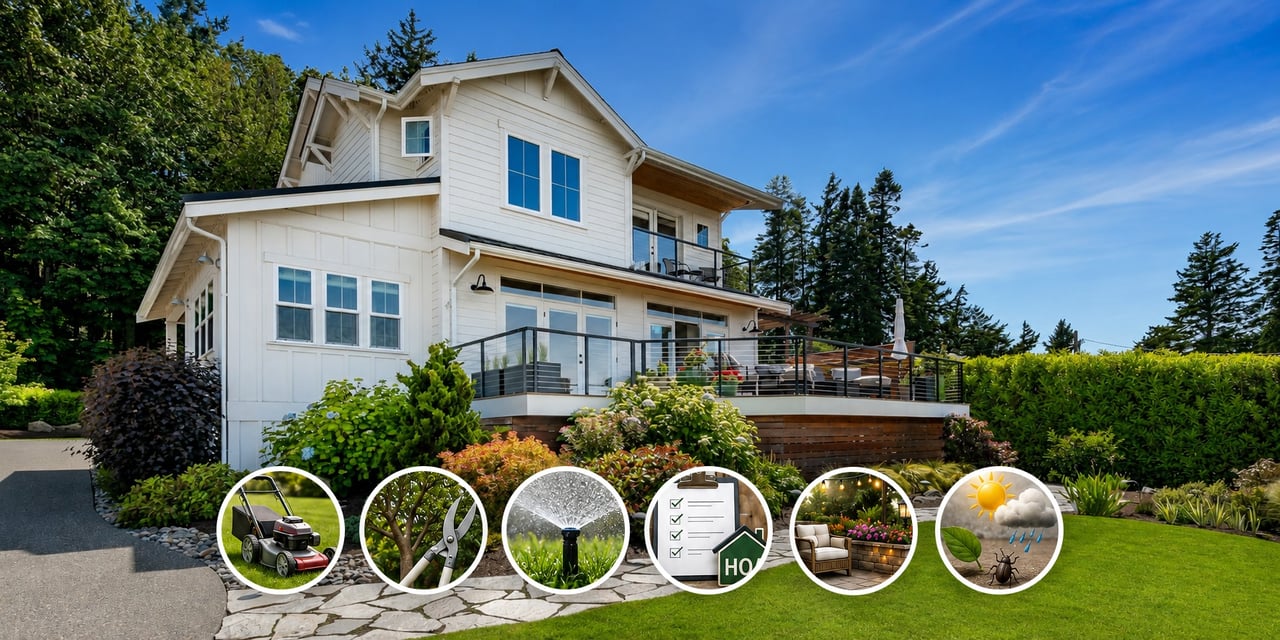
Don't let landscaping costs surprise you. Learn the essential maintenance expenses every home buyer should factor into their budget.

Learn the real reasons homes sit on the market and what sellers can do to attract buyers and sell faster in 2026.

Homeowner
Selecting the ideal paint color can easily transform any space, creating a mood and style that reflects your personality and the room's purpose.
Deciding between repairs and selling as-is? Learn how to maximize your home's value and protect your peace of mind before listing in Houston.
Real estate can feel overwhelming, but you don’t have to navigate it alone. Our team is here to bring clarity to the process, advocate for your goals, and guide you every step of the way.
KRAASE PROPERTY GROUP
1220 AUGUSTA DR HOUSTON, TX 77057