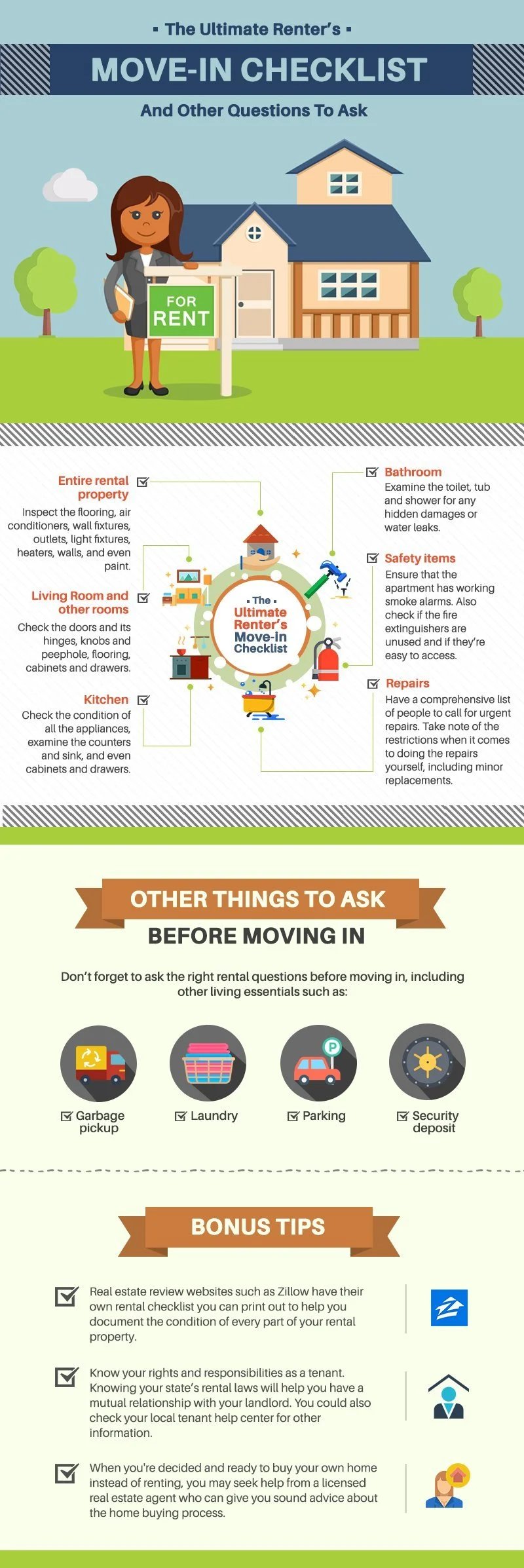
The Ultimate Renter's Move-In Checklist (And Other Questions To Ask)
Buyer December 19, 2017
Buyer December 19, 2017
Despite the many disadvantages of renting compared to buying one's own home, many are still choosing the former because of increasing home prices and high mortgage payment and taxes. In the 2016 American Community Survey of the Census Bureau, nearly 37 percent of U.S. households are now renter-occupied. Certainly, more U.S. households are now renting that at any point in 50 years, since 1965.
However, there's more to renting than finding your ideal apartment, signing the lease and exchanging the keys. Before moving in, you have to sort out the major issues, thoroughly check the rental property, and ask the necessary questions that will help your life as a tenant become peaceful and sustainable. One of the most important things a renter certainly needs is a move-in checklist.
The move-in checklist may be one of the basics, but it's still an essential document a tenant could have before moving in. “The move-in and move-out checklist is a convenient, all-inclusive and reliable way to document the property’s condition,” writes Joe Killinger for MultifamilyInsiders. “Residents can benefit from a move-in checklist because any existing conditions will be predated to his/her occupancy. This checklist helps the property manager by reducing liability risks due to disagreements related to security deposit reimbursement; thus, protecting the value of the property.”
Remember that each room of the property needs to be addressed and documented separately. It is advisable to take pictures and even videos of each part of the property as it will provide a timestamp of its condition before you move in.

The important things to check include:
Entire rental property - Closely inspect the flooring, air conditioners, wall fixtures, outlets, light fixtures, heaters, walls, and even paint.
Living Room and other rooms - Check the doors and its hinges, knobs and peephole, flooring, cabinets and drawers.
Kitchen - Care to check the condition of all the appliances, including oven, fridge, dishwasher and others. Examine the counters and sink, and even cabinets and drawers. Be vigilant for any water damage and leaks and make sure it's inspected and repaired before moving in.
Bathroom - This is where we pamper ourselves, so make sure to inspect the toilet, tub and shower for any hidden damages or water leaks.
Safety items - Ensure that the apartment has working smoke alarms. It is the landlord's responsibility to repair any damage to the alarms or replace the batteries if they're running low. It is also important to check if the fire extinguishers are unused and if they are located in areas that are easy to access.
Repairs - Have a comprehensive list of people to call for urgent repairs, and take note of the restrictions when it comes to doing the repairs yourself, including minor replacements.
Aside from inspecting the physical condition of the rental property, knowing the right questions to ask before moving in is very important. These may include other living essentials such as:
Garbage pickup - Never forget to ask where the trash goes, how often is the garbage collection in your area, as well as the rules on packing and segregation.
Laundry - Keep in mind the operating hours for your building's laundry room or the washer and dryer area.
Parking - Ask whether the parking spaces are open to all residents or assigned to each tenant.
Security deposit - You should know the full requirements for your security deposit, how it will be collected and refunded, and the amount required depending on your lease. In California for example, a landlord may charge a renter the equivalent of two months' rent for the security deposit if the residence is unfurnished, and three months' rent if the residence is furnished, under the state's landlord-tenant laws.
Bonus Tips:
Real estate review websites such as Zillow even have their own rental checklist you can print out to help you document the condition of every part of your rental property.

Understand the pros and cons of interest-only mortgages to determine if this financing strategy is the right fit for your home buying goals.

In Houston, the question is often not “Should I wait?” It is “What is waiting likely to cost me, and is that tradeoff actually worth it?”

The right strategy depends on your finances, your comfort level, and how competitive the market is in the area where you are buying and selling.

Discover why your driveway is a critical component of your home's curb appeal and how simple updates can boost your property's market value.

Discover why outdoor living spaces are a top priority for luxury home buyers in Houston and how they can transform your property's appeal.
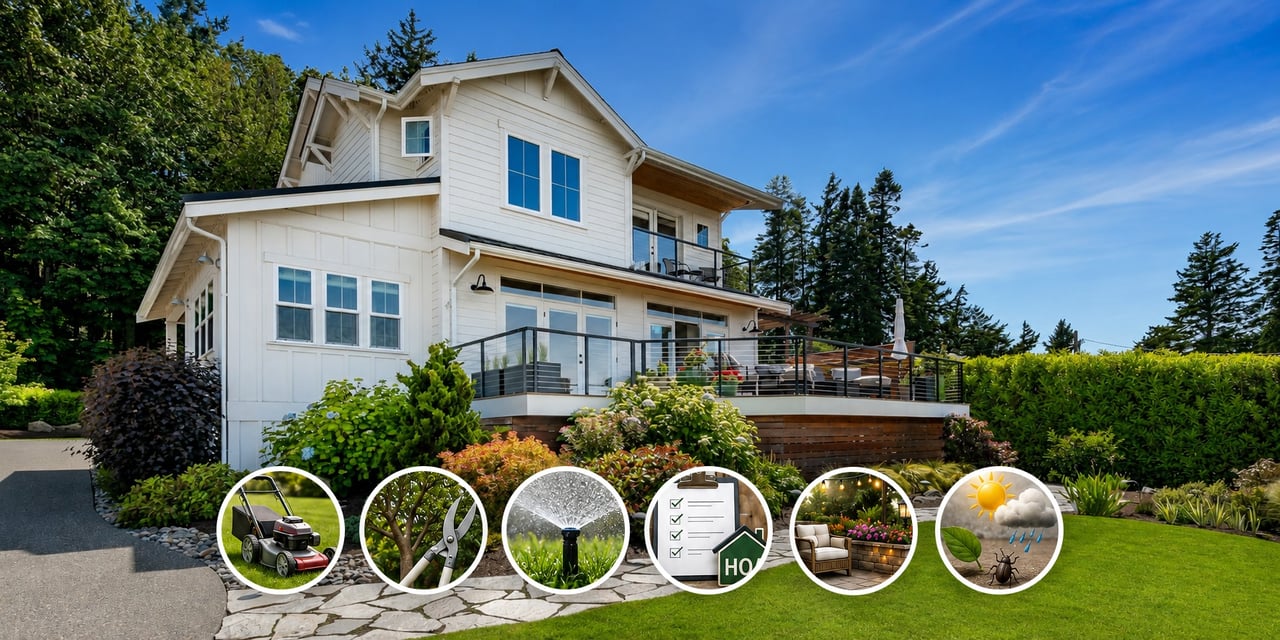
Don't let landscaping costs surprise you. Learn the essential maintenance expenses every home buyer should factor into their budget.
Learn the real reasons homes sit on the market and what sellers can do to attract buyers and sell faster in 2026.

Homeowner
Selecting the ideal paint color can easily transform any space, creating a mood and style that reflects your personality and the room's purpose.
Deciding between repairs and selling as-is? Learn how to maximize your home's value and protect your peace of mind before listing in Houston.
Real estate can feel overwhelming, but you don’t have to navigate it alone. Our team is here to bring clarity to the process, advocate for your goals, and guide you every step of the way.

KRAASE PROPERTY GROUP
1220 AUGUSTA DR HOUSTON, TX 77057