Top 10 Fees You Need To Know About When Purchasing A Home
February 15, 2024
February 15, 2024
The price tag on your dream home isn't the only thing you are going to pay for. The list of added fees could be long and may vary across states and countries. This article will help you know which fees are commonly associated with buying a home. Be prepared for them – know what these fees are for and when you have to pay for them.
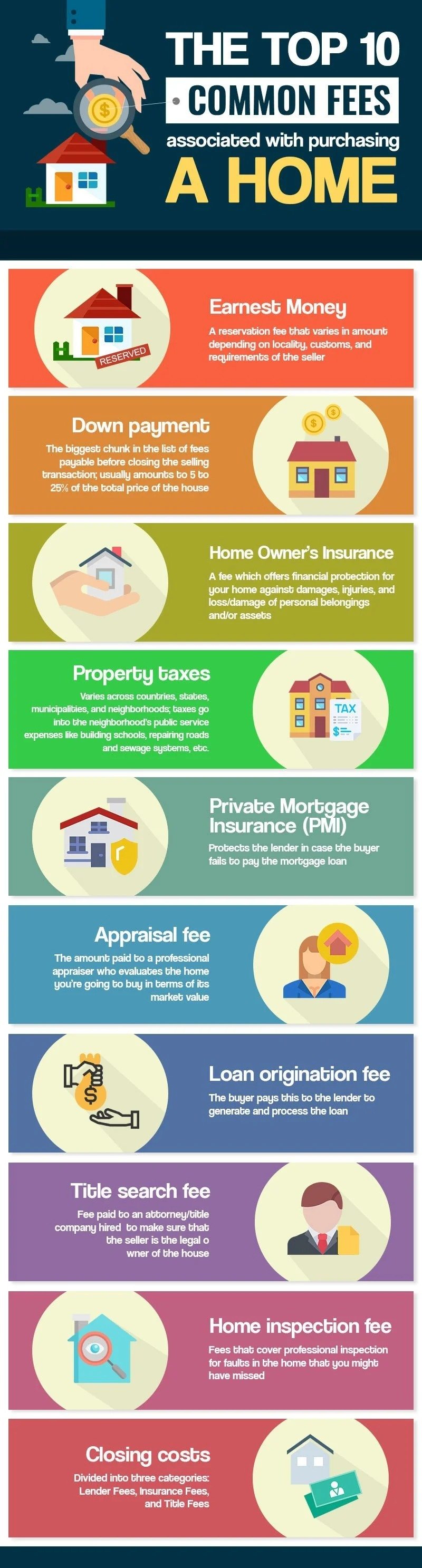
1. Earnest money – Think of earnest money as a sort of reservation fee: it's a sum that indicates seriousness about purchasing property. The amount may vary across localities, customs, or even the whims of the seller. For instance, the seller could ask for a bigger earnest money amount because the buyer requested an extended period to closing, or because of the buyer’s inability to secure a mortgage. But usually the amount of it correlates to that of the purchase price. Another thing to note about earnest money is that it could be held securely by a third-party account known as an escrow account. This is the recommended option since an escrow account protects both the interests of the buyer and the seller. The typical arrangement is that when the selling transaction is finalized, the earnest money is put in as part of the down payment. In the case where one party backs out, the money will be handed to whoever was willing to push through with the transaction – to the seller if the buyer backs out, and vice versa.
2. Down payment – The down payment is the biggest chunk in the list of fees payable before closing the sale. Usually, buyers should shell out 5 to 25% of the total price of the house while the remaining cost is shouldered by the mortgage loan. The interest of the mortgage loan and the accompanying monthly payment is dependent on the amount given in the down payment -- the higher the down payment, the lower the interest rate and monthly fees.
3. Homeowner’s Insurance – This fee offers financial protection for your home against disasters such as interior and exterior damage, injury that occurred while on the property, and loss or damage of personal belongings/assets located within the property. Make sure to read your policies thoroughly so you know your coverage. Note that mortgage companies require this insurance to approve a buyer for a mortgage. You may opt to independently apply for this type of insurance but your mortgage company (especially if it’s a bank) may offer one for you for an extra cost. The amount of this fee will be based on the value that you choose and the value of your home.
4. Property taxes – The value of this varies across countries, states, municipalities, and neighborhoods. In the US, some states have property tax rates as high as 6% of the home’s value. This tax goes into the neighborhood’s public service expenses like building schools, repairing roads and sewage systems, etc.
5. Private Mortgage Insurance (PMI) – This expense plays on both the interests of the lender and the home buyer: the lender is protected in case the buyer fails to pay the mortgage loan, and the buyer will be able to shell out less money, as down payments are usually required to cover 20% of the total price of the house. The buyer could opt to pay for this for a whole year’s worth, or they could have it rolled together with their monthly mortgage payment.
6. Appraisal fee – This fee is for when a professional appraiser evaluates the home you’re going to buy in terms of its market value – checks for the features in the interior of the house, and also goes around the neighborhood to check how much the other houses are worth. The cost for this ranges from $300 to $500, but homes located in remote areas could cost more. Mortgage companies require an appraisal of the property they are about to (partly) purchase for you so that they can make sure if the house is worth more than you’re borrowing. In the event that you fail to pay the mortgage, the lender can take possession of the house and sell it, and your debt will be paid off by the proceeds from selling the house.
7. Loan origination fee – Among the fees for a mortgage, this fee is the largest amount. The buyer pays this to the lender to generate and process the loan. The amount of origination fees is a percentage of the total loan, usually falling between 0.5% and 1%. Buyers with a large loan amount may negotiate to lower this fee.
8. Title search fee - A title search is done to ensure the buyer that the seller is the legal owner of the house, and that there are no outstanding claims of ownership from other parties against the property. A title company or an attorney is hired to conduct this. In the US, title search fees are about $200 or below, but can vary among title companies by region. One strategy to lower the cost for this is to contact the company that currently holds the title insurance policy on the home you’re going to buy. They may offer you the old title search on file for a lower price than title search companies ask for.
9. Home inspection fee – A lender may require this before approving your loan. At first you may think of this as unnecessary, but a home inspection can make or break a deal: the professional home inspector may spot faults in the home that you might have missed and that were not disclosed to you by the seller, such as issues with pests, fire and safety, and electrical and sewage systems.
10. Closing costs – Closing costs are usually paid after the title has been transferred from the seller to the buyer, but there are times when some of them are paid before the deal is finalized. This number carries a long list of expenses, some of which may be shouldered by the seller based on settled agreements. It encompasses mortgage loan fees, insurance fees, and other expenses that are included in the whole transaction process.
Note that some of these fees, such as the property tax and the homeowner’s insurance, are prepaid costs, meaning the payment for them will recur throughout the time that buyer is the legal owner of the house. Also remember that some of the closing costs may be paid before or after the transfer of title, and some may be integrated with your monthly payment to the lender/mortgage company.

Understand the pros and cons of interest-only mortgages to determine if this financing strategy is the right fit for your home buying goals.

In Houston, the question is often not “Should I wait?” It is “What is waiting likely to cost me, and is that tradeoff actually worth it?”

The right strategy depends on your finances, your comfort level, and how competitive the market is in the area where you are buying and selling.

Discover why your driveway is a critical component of your home's curb appeal and how simple updates can boost your property's market value.

Discover why outdoor living spaces are a top priority for luxury home buyers in Houston and how they can transform your property's appeal.
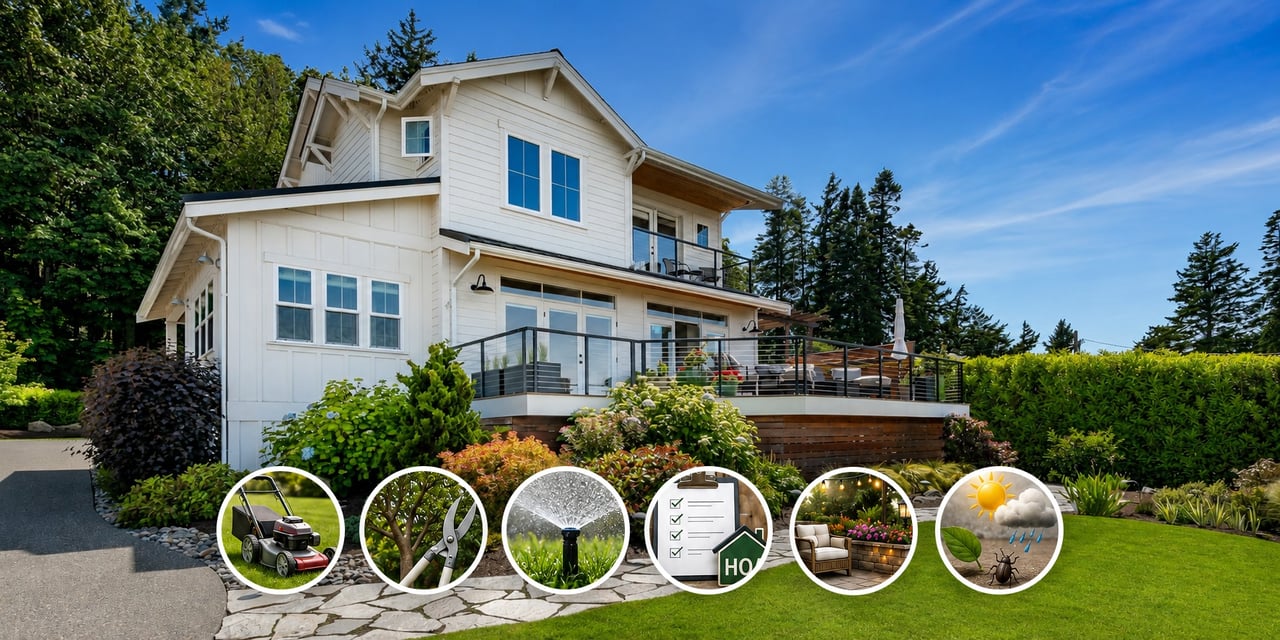
Don't let landscaping costs surprise you. Learn the essential maintenance expenses every home buyer should factor into their budget.
Learn the real reasons homes sit on the market and what sellers can do to attract buyers and sell faster in 2026.

Homeowner
Selecting the ideal paint color can easily transform any space, creating a mood and style that reflects your personality and the room's purpose.

Deciding between repairs and selling as-is? Learn how to maximize your home's value and protect your peace of mind before listing in Houston.
Real estate can feel overwhelming, but you don’t have to navigate it alone. Our team is here to bring clarity to the process, advocate for your goals, and guide you every step of the way.

KRAASE PROPERTY GROUP
1220 AUGUSTA DR HOUSTON, TX 77057