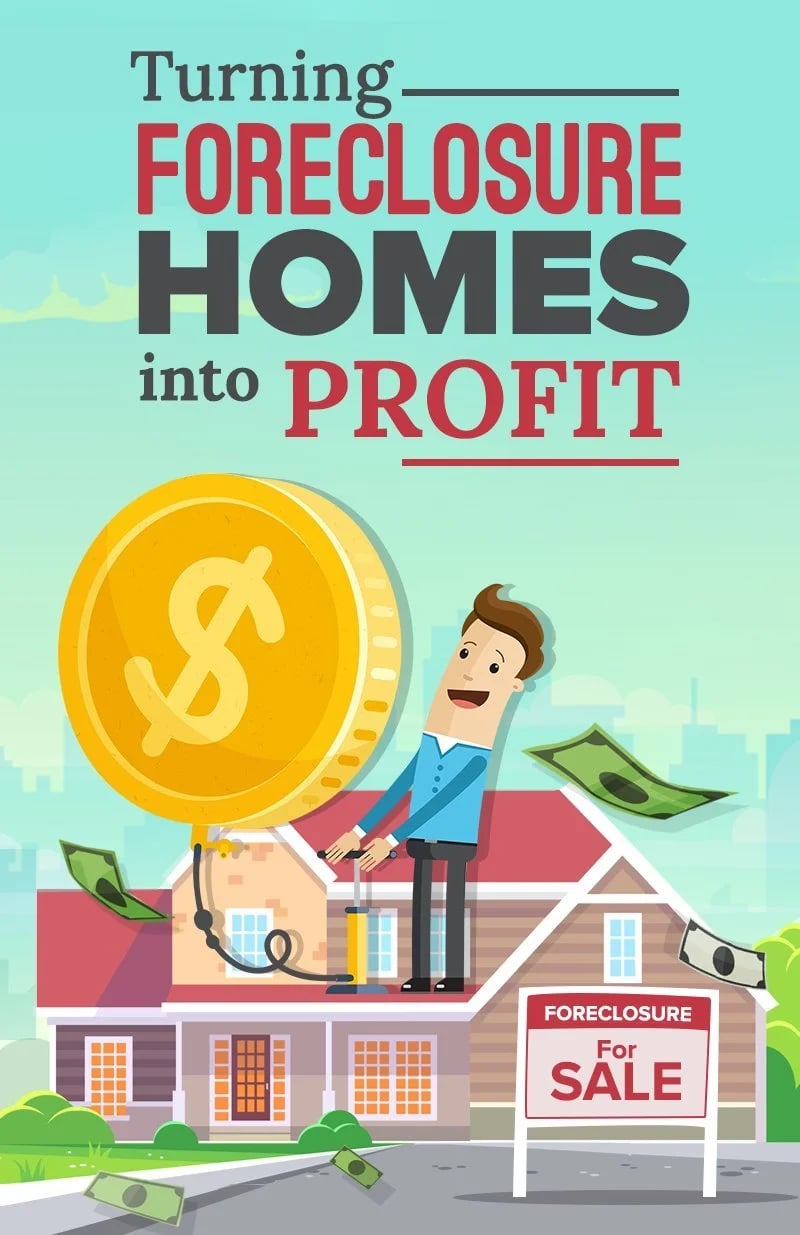
Turning Foreclosure Homes Into Profit
Buyer June 13, 2019
Buyer June 13, 2019
If you've been following the real estate market trend then you've observed the rise in foreclosure inventories. An increase in foreclosures is an opportunity—that is if you're willing to put money and time into purchasing foreclosures to have it rented out or flipped—buying and selling in a short period of time without actually living in the home. Now is a great time to invest in foreclosures, however, just like any type of investment you must do your research and consult an expert before you dive in.
Take note that not every foreclosed property would be a great deal. Profiting from foreclosures can't be guaranteed and if you want to get into the business you must approach the process carefully and always know when to drop the sale. The time that you have to retain the ownership on the purchased foreclosure may vary by the demand for houses in the location. Learning how to profit from a foreclosure requires you to determine how to add value to a property and effectively budget the purchase price and repair to maximize your profit.
There are four things that you should check out before diving into the process of profiting on a foreclosure. First, you should have a list of foreclosed property or properties that have potential. Next, research the area pricing and the demand for real estate properties in the market. Of course, you have to consider your budget from purchasing the foreclosed property to renovating it. Lastly, you have to find a reliable contractor that would take care of all the renovations and ensure that the foreclosed property could be listed back to the market.
Once you've decided to try out profiting from foreclosure properties, here are five things that you need to keep in mind throughout the process:

Even if you're not yet ready to start investing in foreclosures, it's best to prepare ahead of time. Start tracking distressed properties now to give you a practical idea about the workings of the foreclosure process. You can attend foreclosure auctions to see how the buying process works. In these auctions, you can also get a chance to talk to other investors to discover how they have profited from buying and selling foreclosures as well. It may get too overwhelming so you might want to consider finding a knowledgeable local real estate broker who specializes in foreclosures. Some brokers work with banks that have foreclosed homes in their inventories. They could help you find repossessed homes a little more easily than just waiting for another auction.

Take advantage of being in the know of foreclosed properties in your area and start preparing before other real estate investigators get wind of the distressed property. Foreclosure properties which have been mentioned in public records, advertisements, and real estate listings attract investors into diving head first to get the deal. Being a resident of the area, you could get dibs on the property, review the price that the investor bought the home for, how long he held the property, the amount it sold for and when it was sold, long before the information becomes available in the county clerk's or country assessor's office.

Check out the foreclosure property if it has been vacant for a long time. Chances are, damages may have worsened over time or it was vandalized by the former owners if they have been forced out. Depending on the location of the property, you should find out if the home has been winterized causing bad pipes and other problems. After assessing scopes for fixtures, decide whether you want to buy and rent out the property or repair and sell it as quickly as possible.

Before the foreclosure sale, it's high time to contact the homeowner of the distressed property. While there is not much competition to deal with at this stage, going with this strategy would have the homeowner give in and get rid of his debt in whatever way he can before the tedious foreclosure process begins. Advanced assessment of the property would allow you to budget for repairs up to a certain degree of cosmetic touch-ups. Take into consideration the hiring of contractors when you plan for repairs.

You might get carried away in winning your first bidding war leading to spending more than what you had intended to. Always consider at least 20% in profit when setting a price after bidding and repairs costing estimate. Also, since you're still a beginner, focus on one property at a time and learn to test the waters before venturing on the next opportunity.
Foreclosure investments are a fast-paced environment and may make you feel that you have to move quickly to not lose the opportunity. However, if you're just trying out foreclosure investment as your new venture, it would be best to be cautious with your steps to not incur substantial losses on your first try.

Understand the pros and cons of interest-only mortgages to determine if this financing strategy is the right fit for your home buying goals.
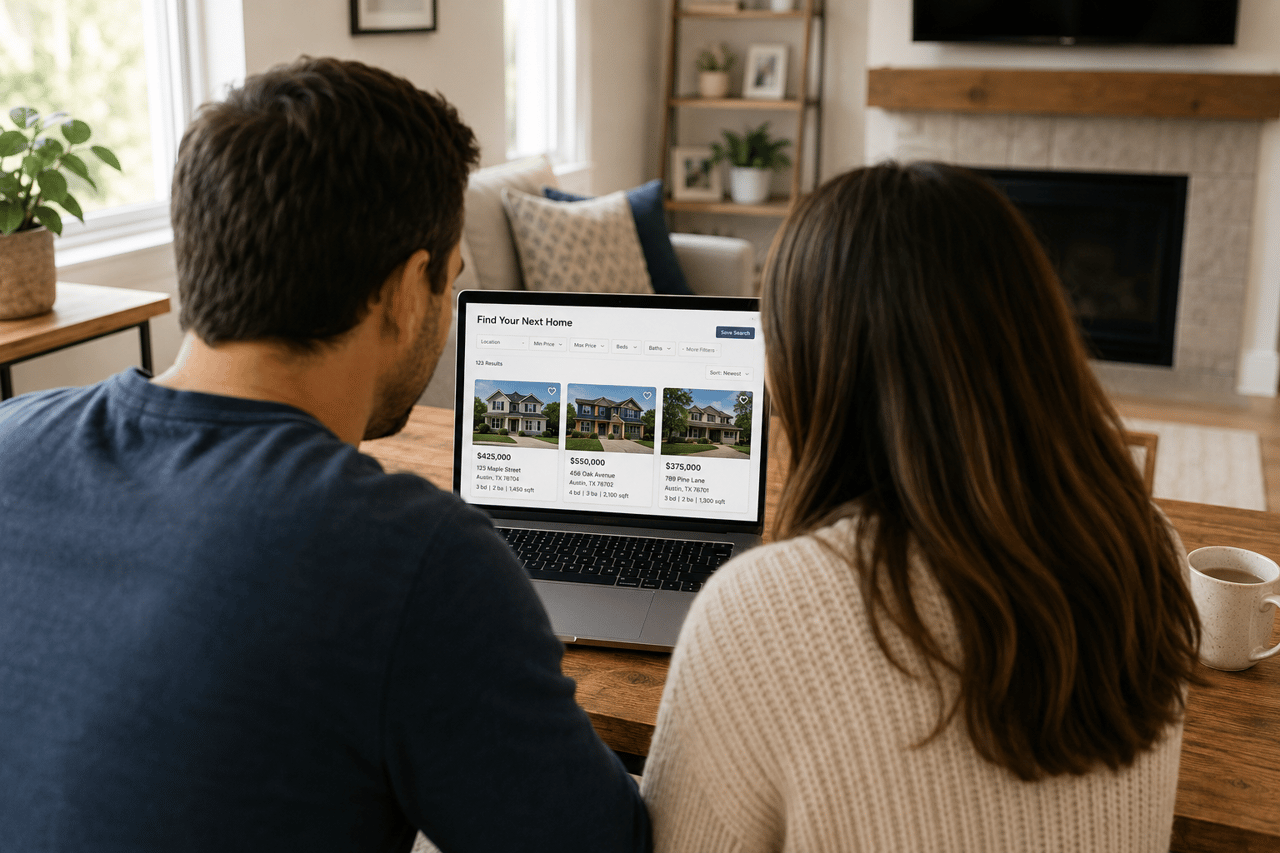
In Houston, the question is often not “Should I wait?” It is “What is waiting likely to cost me, and is that tradeoff actually worth it?”

The right strategy depends on your finances, your comfort level, and how competitive the market is in the area where you are buying and selling.

Discover why your driveway is a critical component of your home's curb appeal and how simple updates can boost your property's market value.

Discover why outdoor living spaces are a top priority for luxury home buyers in Houston and how they can transform your property's appeal.
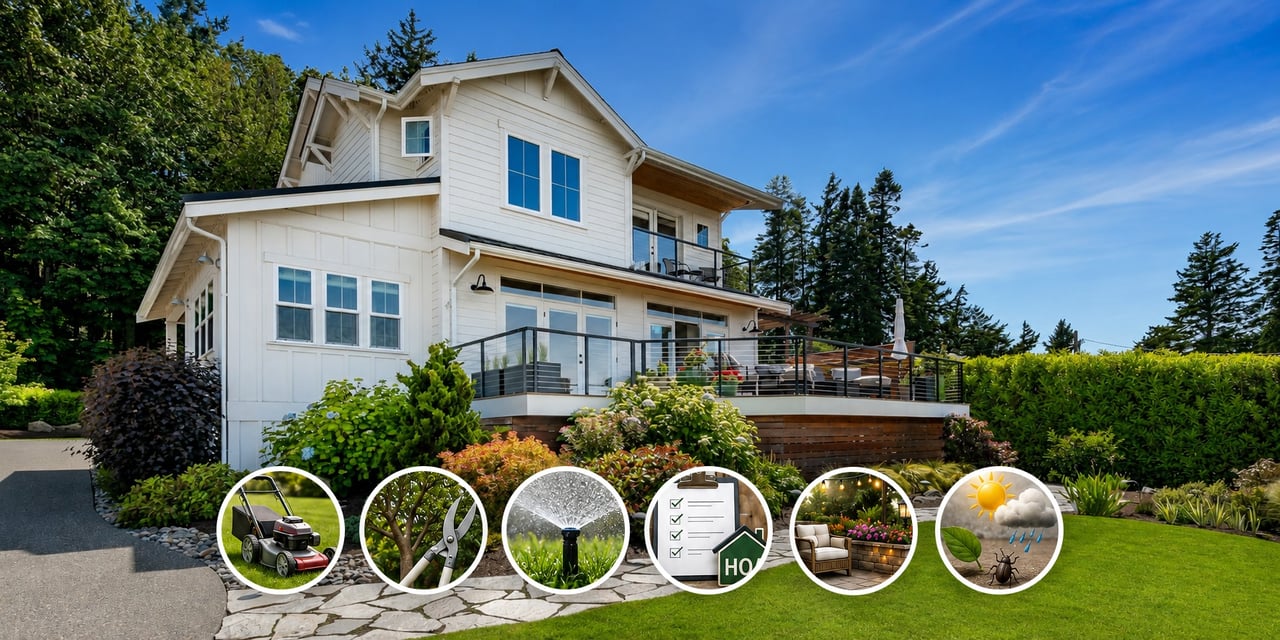
Don't let landscaping costs surprise you. Learn the essential maintenance expenses every home buyer should factor into their budget.
Learn the real reasons homes sit on the market and what sellers can do to attract buyers and sell faster in 2026.

Homeowner
Selecting the ideal paint color can easily transform any space, creating a mood and style that reflects your personality and the room's purpose.

Deciding between repairs and selling as-is? Learn how to maximize your home's value and protect your peace of mind before listing in Houston.
Real estate can feel overwhelming, but you don’t have to navigate it alone. Our team is here to bring clarity to the process, advocate for your goals, and guide you every step of the way.
KRAASE PROPERTY GROUP
1220 AUGUSTA DR HOUSTON, TX 77057