What To Know If You're Looking To Buy A Home in a Wildfire-Prone Area
February 15, 2024
February 15, 2024
A recent report by the United Nations Environment Programme (UNEP) and GRID-Arendal finds that wildfires are becoming more intense and more frequent, with recent years seeing record-breaking wildfire seasons due to climate change and land use change. An estimated 4.5 million homes in the U.S. are in places with high or extremely high wildfire risk. And according to data from a nonprofit research group in New York called First Street Foundation, half of all addresses in the lower 48 states face some degree of wildfire risk.
If you find yourself house-hunting in an area where wildfires are unavoidable, especially since housing is in short supply, be sure to learn about the property's construction, landscaping, and even the neighborhood. Here are some of the most critical things to assess before you continue with your purchase and sign the dotted line for one of your biggest investments.
The key to buying a home in wildfire territory is to be as prepared as possible. And the first step you can take as a home buyer is to ensure the community is safe. Start by assessing the community’s general fire risk. There are several free online tools available to help you determine it, including the Wildfire Risk to Communities tool by the USDA and U.S. Forest Service, the Risk Factor tool by First Street Foundation, the National Interagency Fire Center’s wildfire risk map, as well as Climate Check. These resources provide interactive maps, charts, and other information to help home buyers and communities understand, assess, and reduce wildfire risk. You can also use the U.S. Forest Service’s fire maps to look at historical data for regional risks, although it’s impossible to zero in on specific homes.
Likewise, you should also see if the community you’re looking in assesses zones for fire risk by building codes. The codes determine how much risk exists based on several factors, such as density, land use, and existing construction in the area.
Since wildfires typically impact multiple homes at once, entire neighborhoods can be affected. This reason is why it's important that you have a community to lean on when faced with a crisis. Start by checking with your city to see if they have prevention and mitigation procedures in place to prepare homes against the threat of wildfires. Meet with the local fire department/agency or the local emergency manager and ask about the fire history of the area, drought conditions, wildfire evacuation plans, risk ratings, and even the department’s response capabilities. Also, make sure the community or neighborhood is an active Firewise USA site and has been working with their local forestry or fire district on reducing risks in commonly owned and adjacent areas.
It’s also worthwhile to learn about your potential community’s culture. Are the neighbors friendly and ready to work together to help prevent wildfires? Is there an active HOA or homeowners association that has emergency plans in place? Likewise, check to see if the neighbors have also taken precautions to help protect their homes from a wildfire since you are only as safe as your neighbors’ homes if a wildfire strikes nearby.
Wildfires can strike an area that has burned before, so it's crucial to know whether a home you’re looking to buy is in a wildfire-prone region. Although a home seems far, fire can quickly spread from building to building. If the house is in an area that has experienced wildfires before, you must appraise the home for any damage. You may check with the local zoning department to see if building permits for structural changes were filed for the property. Likewise, find out what the homeowner has done to safeguard the home from future wildfire damage.
Take the time to determine whether a home has protection to survive a wildfire, especially when it comes to its building materials. The roof is especially susceptible to fires since flying embers can land there and ignite, so steer clear from homes with wooden roofs. Avoid vinyl siding because it melts in a fire. Metal, tile, asphalt, slate, and composite shingles are some of the excellent fire-resistant materials to look for. Multi-pane or tempered glass windows will also protect during a wildfire instead of single-pane windows.
If the house doesn't have fire-resistant materials, you can negotiate for repairs, for example replacing the old roof to give the entire structure a better chance of surviving a fire. Buying a home with wildfire protection in place will save you money in the long run. The sense of comfort it can provide during the home buying process is priceless.
When shopping for a home in fire-prone areas, assess the landscaping to see if it was designed to mitigate wildfire risk. The first thing you should look for is whether there's a defensible zone around the property. You can use this guide to defensible zones published by the National Fire Protection Association (NFPA) to learn more. Having defensible zones around the home can reduce the number of fuel sources for a wildfire.
If you’ve successfully bought a home, you can take steps with landscape design to protect your property. Make sure you’re consistent in clearing brush, grass, or leaves, trimming bushes and trees, keeping the gutters clean, and maintaining a defensible space around your property. Having easy access to water to put out fires is also important, so swimming pools can also come in handy, especially if they’re in-ground.
While it’s a no-brainer to get a good home insurance policy wherever you buy, comprehensive home insurance is critical when you live in a high-risk place. Unlike in flood-prone areas where you are required to purchase a special, separate policy, most homeowners’ insurance cover damage caused by fires, including wildfires. However, you’ll want to be sure there’s enough coverage for your entire structure, belongings, and temporary living costs should a total loss occur. Review the fine print carefully and check the policy to understand the deductible and specific coverage details for wildfire damage.
When considering a property in an area with a wildfire risk, don't forget to ask the right questions. Especially if there’s no disclosure requirement for fire risk in a particular area, if you want to know something, just ask! Your real estate agent is also your go-to person if you want to be educated about the community, the designation of the home you’re looking to buy, and other resources that can help you should you proceed to buy a home in a fire-prone region.
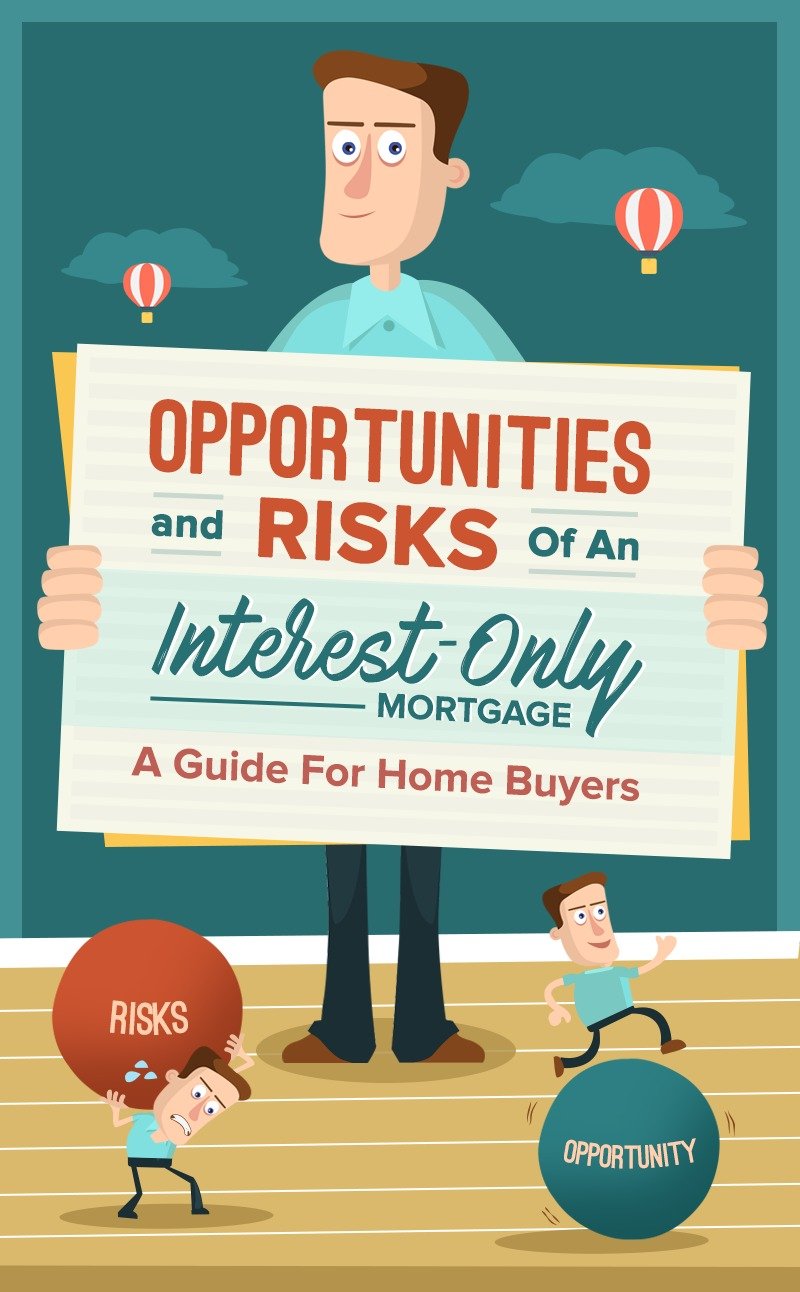
Understand the pros and cons of interest-only mortgages to determine if this financing strategy is the right fit for your home buying goals.

In Houston, the question is often not “Should I wait?” It is “What is waiting likely to cost me, and is that tradeoff actually worth it?”
The right strategy depends on your finances, your comfort level, and how competitive the market is in the area where you are buying and selling.

Discover why your driveway is a critical component of your home's curb appeal and how simple updates can boost your property's market value.

Discover why outdoor living spaces are a top priority for luxury home buyers in Houston and how they can transform your property's appeal.
Don't let landscaping costs surprise you. Learn the essential maintenance expenses every home buyer should factor into their budget.
Learn the real reasons homes sit on the market and what sellers can do to attract buyers and sell faster in 2026.

Homeowner
Selecting the ideal paint color can easily transform any space, creating a mood and style that reflects your personality and the room's purpose.

Deciding between repairs and selling as-is? Learn how to maximize your home's value and protect your peace of mind before listing in Houston.
Real estate can feel overwhelming, but you don’t have to navigate it alone. Our team is here to bring clarity to the process, advocate for your goals, and guide you every step of the way.
KRAASE PROPERTY GROUP
1220 AUGUSTA DR HOUSTON, TX 77057