What You Need To Know About Real Estate Purchase Contracts
February 16, 2024
February 16, 2024
One of the most important documents in purchasing property is the purchase contract, also known as a purchase and sale agreement. It stipulates the agreement between the parties and prepares the transaction for closing.
A real estate purchase contract enumerates the participating parties' -- could be two or more -- responsibilities during the period the property is taken off the market. It must be signed by both parties (buyer and seller), and it’s required by the United States Statute of Frauds to be enforceable. In essence, a real estate purchase contract is a binding, bilateral agreement with legal capacity to buy, exchange or transfer real property. Take note that the contract is based on a legal consideration, meaning that consideration is a medium of exchange for the property being purchased, which in most cases is money. There are other forms of consideration such as a promise to pay, or a property in exchange.
Identification of the parties and details of the real estate property (the exact address of the property and a clear legal description)
The agreed-upon purchase price and corresponding terms
The amount of the deposit
The essential details, rights, and obligations of the contract
Real estate taxes and special assessments
The condition of the property, what is included, and what is not included
Closing date and costs (and who shoulders them)
Terms of possession and contingencies that must be met
Contingencies serve as a preparation for the possibility of operational problems. The more thorough and defined a contingency clause is, the more it minimizes the potential loss for both parties. In the case when a contract is already in the works, a settlement contingency is used. This protects the buyer if the sale fails since the property is not really sold until the settlement or closing is finalized. In most cases, this type of contingency forbids the seller from accepting other offers on the property for a specific period. If the buyer’s home closes by the specified date, the contract remains valid. If the home does not close, the contract can be terminated.
Here are the common items listed in the contingency clause:
1. Know your terms and adapt language and terms as needed. Take note that the standard language of a contract may vary in different situations, and real estate laws vary between states--which means standard forms are not the same in every location. Given that condition, you can go over the agreement, check for changes, and adjust accordingly.
2. Consider getting professional assistance from a real estate attorney or real estate agent. If it's your first time to engage in this kind of transaction (or even if it isn’t), it’s advisable to get help from the professionals. They can guide you through the whole process of either making or doing the contract, and will point out important things to consider that you might miss.

Understand the pros and cons of interest-only mortgages to determine if this financing strategy is the right fit for your home buying goals.

In Houston, the question is often not “Should I wait?” It is “What is waiting likely to cost me, and is that tradeoff actually worth it?”

The right strategy depends on your finances, your comfort level, and how competitive the market is in the area where you are buying and selling.

Discover why your driveway is a critical component of your home's curb appeal and how simple updates can boost your property's market value.

Discover why outdoor living spaces are a top priority for luxury home buyers in Houston and how they can transform your property's appeal.
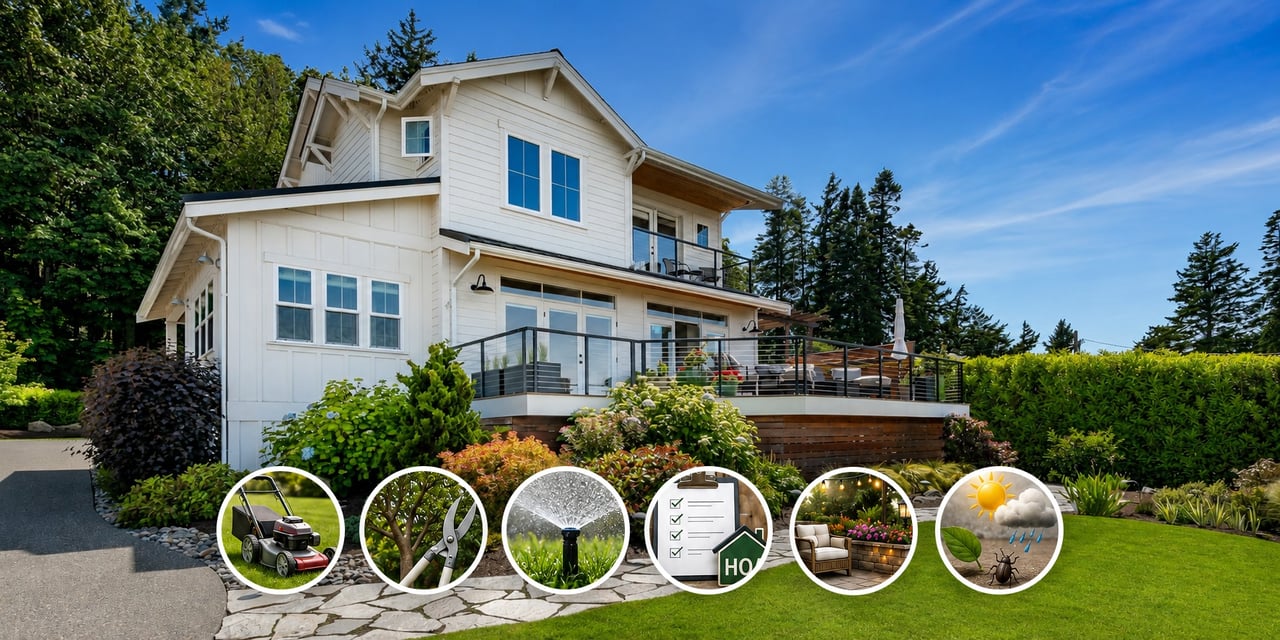
Don't let landscaping costs surprise you. Learn the essential maintenance expenses every home buyer should factor into their budget.
Learn the real reasons homes sit on the market and what sellers can do to attract buyers and sell faster in 2026.

Homeowner
Selecting the ideal paint color can easily transform any space, creating a mood and style that reflects your personality and the room's purpose.

Deciding between repairs and selling as-is? Learn how to maximize your home's value and protect your peace of mind before listing in Houston.
Real estate can feel overwhelming, but you don’t have to navigate it alone. Our team is here to bring clarity to the process, advocate for your goals, and guide you every step of the way.
KRAASE PROPERTY GROUP
1220 AUGUSTA DR HOUSTON, TX 77057