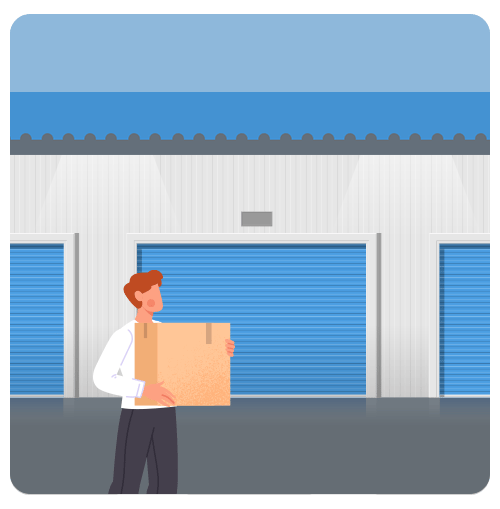
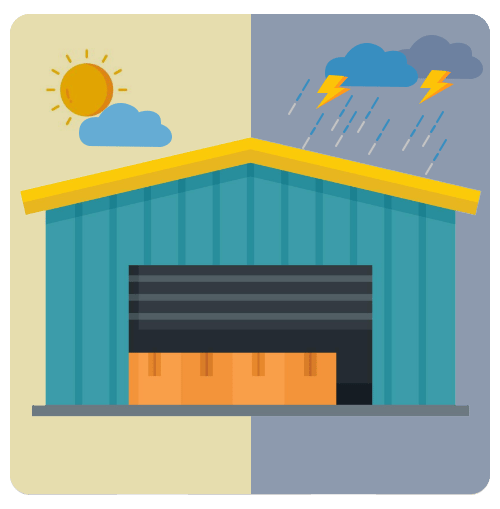
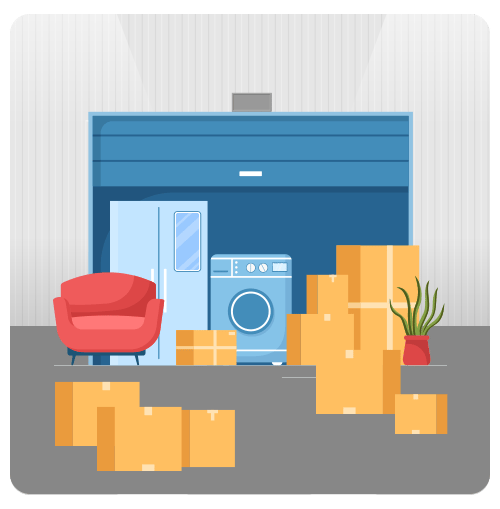
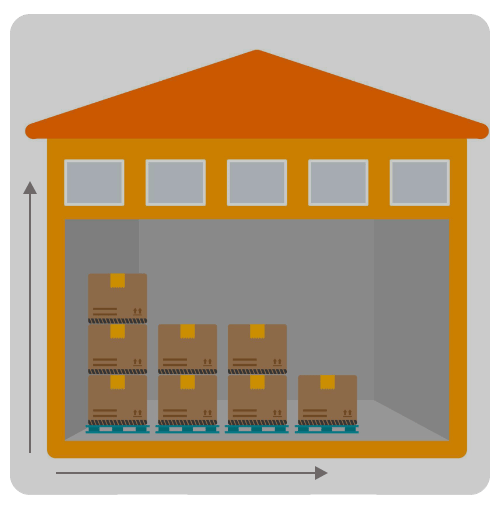
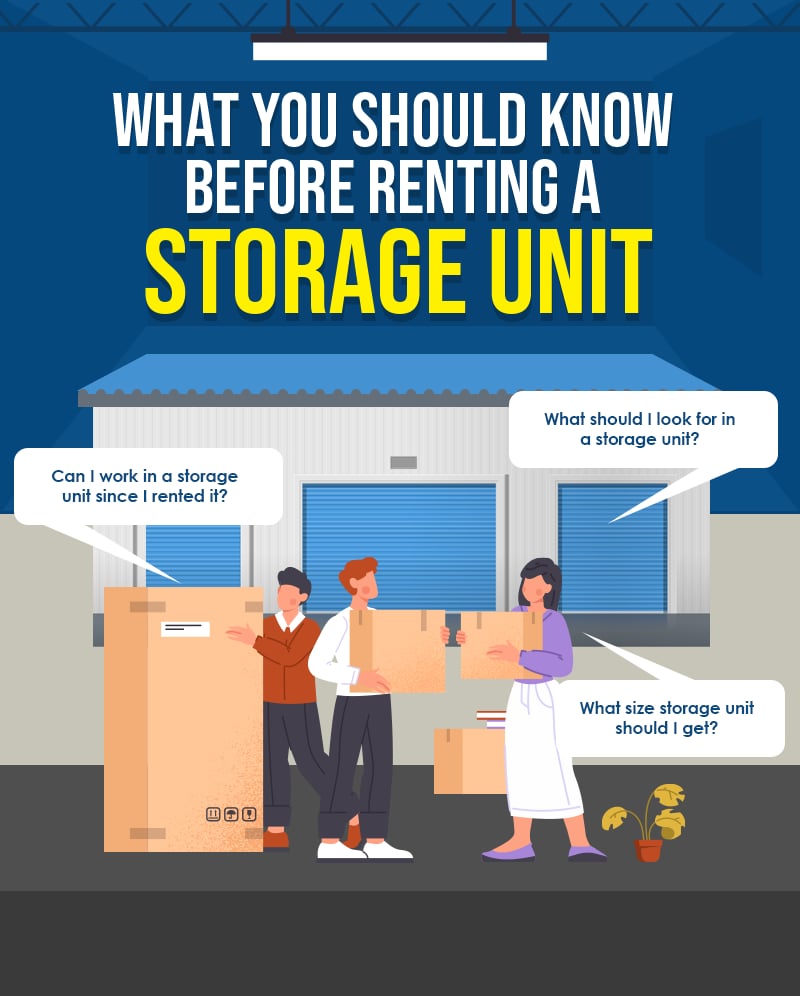
Renting a storage unit is a convenient option for people who need extra space for their extra possessions, for a variety of reasons. Maybe you want to store seasonal items, such as holiday decorations, costumes, gear, and lawn equipment. Maybe you haven't closed on your new home yet but need to move out of your old home, a rental storage unit can house your stuff till the move can be completed. If you're a homeowner whose home will undergo major renovations, you can protect your belongings and provide clear space for the makeover by keeping your furniture and other items in a facility until the renovation is complete. For those who are downsizing but not ready to part with some of the stuff they’ve accumulated, renting a storage unit provides an excellent, space-saving solution. Regardless of your reason or need, here are some things to consider before deciding to rent a self-storage unit: ### 1. What should I look for in a storage unit? - Accessibility: If you prioritize 24/7 access to your items so you can get to your goods when you need them most, a facility that's only open 9 to 5 might not be your best choice. Also, remember the difference between office and access hours. Because even if you can enter your unit during the wee hours on a weekend, there might not be any on-site personnel to address your needs or concerns. - Location: How often do you need access to your unit? Make sure to balance convenience with price when choosing between a facility that’s closer to your place or a cheaper facility that’s located a bit farther away. - Safety and security: A storage facility should keep your items safe. Make sure to choose one with robust security measures such as gated access, video monitoring and surveillance cameras, and good lighting. Actual security guards and individually alarmed units can also boost the overall safety and security of the facility. - Cleanliness and pest control: Be wary of any facility with poor lighting, lack of cleanliness, and other obvious signs of insufficient maintenance and neglect. Furthermore, ask about the pest control policies of the company, as bugs, rodents, and other creepy crawlies can be a huge problem if they get into the units and destroy your items. - Pricing and contracts: Compare the month-to-month, short-term storage, and long-term storage rates charged by different facilities to find the best deal. Don’t forget to ask for specials and online discounts, such as a military discount and other seasonal specials. Also inquire about any additional fees, such as administrative or early termination fees, that may apply. ### 2. What size storage unit should I get? The first step in figuring out what size works for you is deciding what you need to store. Do you only need a small closet space to store off-season clothing? Would you need a storage unit the size of a one-car garage to store household goods like bulky furniture, or other items such as boats or motorcycles? The good news is that the majority of self-storage facilities offer a variety of storage unit sizes for rent. And while you can count on online storage calculators to help you gauge what size is best for your belongings, it's still best to talk to a customer service representative at the facility. Also, don’t forget to look into possible future needs and see if you can scale up within the same facility if ever you need more storage space for extra items. ### 3. Do I need a climate-controlled storage? Climate control helps protect your belongings from extreme temperatures, humidity, and other outside conditions. Humidity can lead to dampness, which can lead to bacteria and mildew growth that can damage valuable belongings. Climate-controlled storage units can be more expensive, but the extra cost is money well spent if you want to keep certain possessions protected. Fortunately, the majority of storage facilities offer this type of storage unit. Some of the items recommended to be placed in a climate-controlled storage are: - Wooden and leather furniture - Artworks and paintings - Antiques - Electronics - Textile and clothing - Other items sensitive to climate, such as rugs, carpets, wallpaper, etc. ### 4. How long can I rent a storage unit? While you can rent a storage unit for as long as you like, most storage facilities offer a one-month minimum contract, while some may even have a three-month minimum. Whether you're looking for short-term or long-term storage, you can often save money by comparing quotes from several storage companies available. Just keep in mind that if you need to cancel your storage contract, you will need to let the company know by a certain date. Otherwise, you may end up paying for the next month regardless of whether or not you’re still using the rental unit. ### 5. What can and can't I store in the facility? Storage units are built to hold household and business goods like furniture, files, and clothing. They're not meant to hold anything perishable, toxic, dangerous, or alive. This is why most storage providers will include a list of items in their rental agreement specifying what a renter can and cannot store. The most obvious no-nos are hazardous and/or flammable items like gas, although gas-powered machinery may be allowed if all gas is drained. It’s also not advisable to store perishable items such as food, which can attract bugs or pests, as well as any living things like plants or animals. ### 6. Do I need insurance? Do you have homeowners or renters insurance? If so, great, because standard insurance policies generally cover a percentage of your belongings even when they're kept in storage units. They’re usually under personal property coverage, but you should also check with your insurance agent about your existing policy just to be sure. Coverage usually protects against things like smoke damage, vandalism, and theft. ### 7. Can I work in a storage unit since I rented it? As tempting as it may be to use your self-storage unit as an office or a living space (even if it's only temporarily), it’s considered illegal and a violation of the terms of your lease. Many storage companies prohibit tenants from using their units as an office, nor can you legally register it as your business location. Besides, most storage units don’t have adequate lighting or electrical outlets that an office requires. You are free, however, to use your unit to store files and other business-related goods. Many storage facilities even have on-site business centers where you can work, print documents, and mail packages. ### 8. What if all my stuff doesn't fit? Before bringing all your stuff to your storage unit, make sure you've decluttered everything you don’t need and you’ve packed your possessions efficiently. These facilities don’t provide dumpsters and never let you dump your trash or items that don’t fit in your unit. Likewise, many storage facilities impose fees for any trash left on the premises. Packing your belongings more efficiently can have several benefits. Not only will your items be kept in top condition, but it’s also one of the easiest ways to save on storage unit costs. Storage units typically have high ceilings, so it’s better to use stackable bins and arrange furniture to fill the space all the way to the top. Wipe clean and dry items as needed, and don’t forget to label everything so you won’t lose track of what’s where.